Free EB-5 Project Evaluation

Distressed EB-5 Projects: Legal Remedies for NCEs Facing a Defaulting Project Owner

Distressed EB - 5 Projects- Legal Remedies for NCEs Facing a Defaulting Project Owner

When it’s said that the EB-5 Immigrant Investor Program is among the fastest and easiest ways to immigrate to the United States, that doesn’t mean an EB-5 investment isn’t without its risks. All EB5 investments are inherently subject to immigration risk, and one of the EB-5 program requirements is that the EB-5 investment capital remain subject to financial risk (the possibility for both loss and gain) throughout the investment period. While most EB-5 projects are successful and earn the investor and their dependents U.S. permanent resident status, some do fail, and the COVID-19 pandemic has accentuated this risk. In particular, hotels and other hospitality businesses are experiencing distress, with some project owners defaulting on their loans. What happens to the new commercial enterprise (NCE) funneling EB5 investment capital into a project when the project defaults?

Since EB-5 investments can be structured in numerous ways, there’s no one simple answer to this question. Different options are available for different types of EB5 investments, but generally, the terms are not overly favorable for the NCE.

If the NCE Is Secured by a First-Lien Mortgage

Most EB5 investments are not secured by a first-lien mortgage, but some are, and this is by far the best situation for an NCE to find itself in upon default by the project owner. In this case, the NCE has the right to hold a foreclosure sale on the project, either taking ownership of it itself or selling it to a third party. Each state follows its own foreclosure laws that NCEs must abide by, which generally means hiring a foreclosure expert to conduct the sale.

In the foreclosure sale, the NCE may bid up to the full amount of its loan. If the NCE does so, and if no other bids exceed this amount, the NCE pays nothing and assumes ownership of the project. If, however, a third party does outbid the NCE, they will have to pay cash at the foreclosure sale, allowing the NCE to receive full repayment for its loan. Any excess cash goes to the project owner, who must pay it out to other creditors.

If the NCE Is Secured by a Second-Lien Mortgage

NCEs with loans secured by a second-lien mortgage have similar rights to first-lien mortgage lenders, but they are subordinate to the first-lien mortgage lenders. In other words, NCEs with a second-lien mortgage on an EB-5 project may call a foreclosure sale, but only if the senior lender chooses not to.

If the senior lender does choose to exercise this right, however, the junior lender cannot receive any repayment until the senior lender’s loan has been repaid in full. If the excess funds cannot cover the junior lender’s loan amount, the NCE loses its second-lien mortgage and the rights associated with it. In cases where the defaulting project owner cannot fully repay the junior loan with the proceeds from a foreclosure sale, the NCE may obtain a monetary judgment against the project owner that can be satisfied with other assets the project owner possesses, but generally, the project owner’s sole asset is the EB-5 project, leaving the NCE with little recourse to recover its loan.

An additional factor complicates matter further—generally, a junior lender is required to sign an intercreditor agreement with the senior lender. Usually, this agreement disallows the second-lien lender from taking enforcement action against the project owner until the senior loan has been entirely repaid. This often means the only option is for the NCE to repay the senior loan itself or find a third party willing to do so while keeping the NCE’s junior lien intact. However, most NCEs have no additional funds to pay off the senior loan, rendering this solution inviable. The best practice for junior lender NCEs in this case is to work with the project owner to avoid a senior-lien foreclosure and sell the project at a high enough price to pay off both the senior and junior loans.

If the NCE Is Secured by Pledges of Membership Interest

Many EB-5 investments are secured by pledges of membership interest, either by the project owner, the entity that owns the project owner, or another entity above the NCE. Such a loan structure offers the NCE the right to hold a foreclosure sale of the membership interests, which operates similar to a regular foreclosure sale in that the secured party may bid up to the full amount they are owed. Should no other bids exceed this amount, the NCE obtains ownership of the membership interests.

However, like with junior lenders, NCEs with loans secured by pledges of membership interest are usually required to enter into an intercreditor agreement that prohibits them from holding a foreclosure sale on the membership interests until the senior loan has been fully repaid. To make matters worse, if the senior lender holds a foreclosure sale, the membership interests may be rendered useless—and if the entity pledging the membership interests is above the project owner in the chain of command, the project owner must first repay all unsecured lenders before the NCE. Thus, NCEs with loans secured by membership interests should work with the project owner to avoid a foreclosure sale.

If the NCE Is Unsecured

An NCE with an unsecured loan has no rights to hold a foreclosure sale, leaving the only recourse to file a complaint in court against the project owner to obtain a monetary judgment. After the monetary judgment is obtained—which can take months or years—the NCE would have to file a writ of attachment on any assets the project owner might have, allowing them to be sold to help fund the repayment of the NCE’s loan. Since assets that the project owner has already pledged to other creditors would first have to satisfy their loans, it could be a lengthy or even impossible process for an NCE with unsecured loans in a defaulting EB-5 project to receive repayment.

The Third-Party Rescue

In all above-described scenarios other than the one in which the NCE is the senior lender, the NCE cannot receive its repaid funds until the senior lender’s loan has been repaid. In such cases, the NCE may locate a third-party entity—often called a “white knight”—to either purchase the project or repay the senior lender’s capital and take their position as the first-lien mortgage lender while maintaining the NCE’s interest in the project. To make this arrangement financially attractive for the white knight, the deal is usually structured such that the NCE is not repaid until the white knight receives their full repayment and a specified return and all other creditors have been repaid. While this almost inevitably represents a higher-risk investment for the NCE, it’s still preferrable to losing the entire investment to a foreclosure sale.

Free EB-5 Project Evaluation

Making an EB-5 Investment with Gifted Capital

Making an EB-5 Investment with Gifted Capital-min

The EB-5 Immigrant Investor Program, in place since 1990, offers the ideal opportunity for any foreign investor dreaming of a life in the United States: for $1.8 million—or $900,000, depending on the targeted employment area (TEA) status of the project—investors can make a passive EB-5 investment and gain U.S. permanent resident status for themselves and their dependent family members, contingent on satisfying EB-5 program requirements. But what if you don’t have the funds?

A prospective EB-5 investor’s journey is not necessary over if they don’t personally possess the necessary capital for an EB5 investment. Those with wealthy relatives can embark on an EB-5 investment journey with capital gifted by their family members, as long as they prove to United States Citizenship and Immigration Services (USCIS) that the funds were truly a gift and that they originated from lawful sources. It’s relatively common for parents not personally interested in immigrating to the United States to gift their child the necessary capital to make an EB-5 investment and forge a brighter future in the United States.

Satisfying the Source-of-Funds Requirement

USCIS accepts EB-5 capital from nearly any source, including gifts, as long as the investor demonstrates its legality. The transfer of the gifted funds from the donor to the recipient alone doesn’t count as the capital’s source—the donor must prove that they obtained the funds legally. According to USCIS guidelines, investors must provide evidence that suggests it is “more likely than not” that the funds derive from a legal source. For gifted EB5 investment capital, USCIS primarily cares about the legitimacy of the gift and how the donor obtained the funds.

Proving the Legitimacy of the Gift

To count as valid EB-5 investment capital, gifted funds must constitute a bona fide gift with no repayment terms. To satisfy this USCIS condition, the donor should draft a written gift agreement that explicitly states the gift is “irrevocable” and the recipient is not obligated to repay it, and both parties should sign it. If the donor does not speak English, they should compose the agreement in a language they speak and obtain a certified translation into English for the investor to include in their I-526 application. While gifts may come from anyone, USCIS will exercise more scrutiny toward gifts from friends or business associates than from family.

Proving the Lawful Source of Funds

USCIS also requires those making an EB-5 investment with gifted funds to demonstrate the capital’s lawful sources, just like with any other type of fund. As part of the gift, the donor should provide documents to the recipient that prove the legal origins of their capital. The documents should be as detailed as possible, constituting anything from employment records, bank statements, and tax returns to investment records, loan documents, and property records. If any documents are not in English, the donor or investor must obtain a certified translation into English.

Consult EB-5 Immigration Counsel to Help

USCIS regulations can be complicated, and the source-of-funds requirement is one of the trickiest requirements of an EB-5 investment. Depending on the capital used, obtaining the necessary documents to prove the legality of the funds can be challenging and time-consuming. The best practice for any EB-5 investor (or their donor) is to hire an experienced EB-5 immigration lawyer to determine which sources to use to prove the lawfulness of the EB5 investment capital.

Free EB-5 Project Evaluation

Why You Should Immigrate to the United States Despite COVID-19

Why You Should Immigrate to the United States Despite COVID-19

International travel has become significantly more difficult during the COVID-19 pandemic. However, while travel and immigration to the United States remain challenging during the pandemic, immigration remains a great option in a post-pandemic world. The EB-5 program is considered the most efficient path to obtain U.S. permanent residency. This article explains the benefits to immigrating the United States under the EB-5 investment program.

You Will Be Able to Be with Your Family

Whether your family resides mostly in the United States or in your home country, they are a dominant factor in your decision to move to the United States. If you have family that lives in the United States, this is a great opportunity to spend time with them.

To maintain conditional permanent residency status, you must reside predominantly in the United States without taking extended international trips. If you are the first of your relatives to relocate to the United States, this requirement may seem daunting, but after five years of permanent residency you may apply for U.S. citizenship. Once you have citizenship, there are no international travel restrictions. When an investor receives an EB-5 visa, their spouse and unmarried children under the age of 21 are also eligible for U.S. green card status.

Invaluable Access to American Education

Colleges and colleges worldwide have moved to online learning to minimize the spread of COVID-19. However, U.S. universities have not lost their prestige during their shift to virtual classes. It is difficult to be accepted to these prestigious universities, such as Harvard, Stanford, and Yale, and international students often have to battle for the few spots open to them.

Attaining a U.S. green card, however, opens up many academic opportunities for students. With a green card, EB-5 visa holders will have an easier time getting into these competitive universities. Green card holders and U.S. citizens have a 4.5 percent chance of being accepted to Harvard, whereas international applicants have only a 0.1% chance of admission. EB-5 visa holders applying to public universities could also be eligible to benefit from in-state tuition savings. In addition, many U.S. students work during their time at a university and EB-5 visa holders would be eligible to do so as well.

The U.S. Economy Is Already Recovering from COVID-19

In order to keep small businesses running during the financial downturn caused by the pandemic, the U.S. government has provided extensive aid. However, this downturn was not due to diminished consumer demand, which is often the case during recessions. Consequently, many expect a quick recovery following the pandemic. We may also see an influx in innovation in industries that have become prominent during the past year, such as health care, technology, and e-commerce businesses.

The Pandemic Has Created an Ideal Environment for EB-5 Projects

The coronavirus hit many cities hard, and places where rents were high, such as New York City, have seen significant vacancies and drops in property values. As unemployment rates have increased in many parts of the country, different parts of the United States could qualify as targeted employment areas (TEAs). This would result in EB-5 investors having a lower minimum investment amount for projects in these areas.

An accumulation of all these factors and the end of the pandemic may make this the ideal time for investors to make an EB-5 investment.

The COVID-19 Pandemic Should Not Deter Prospective EB-5 Investors

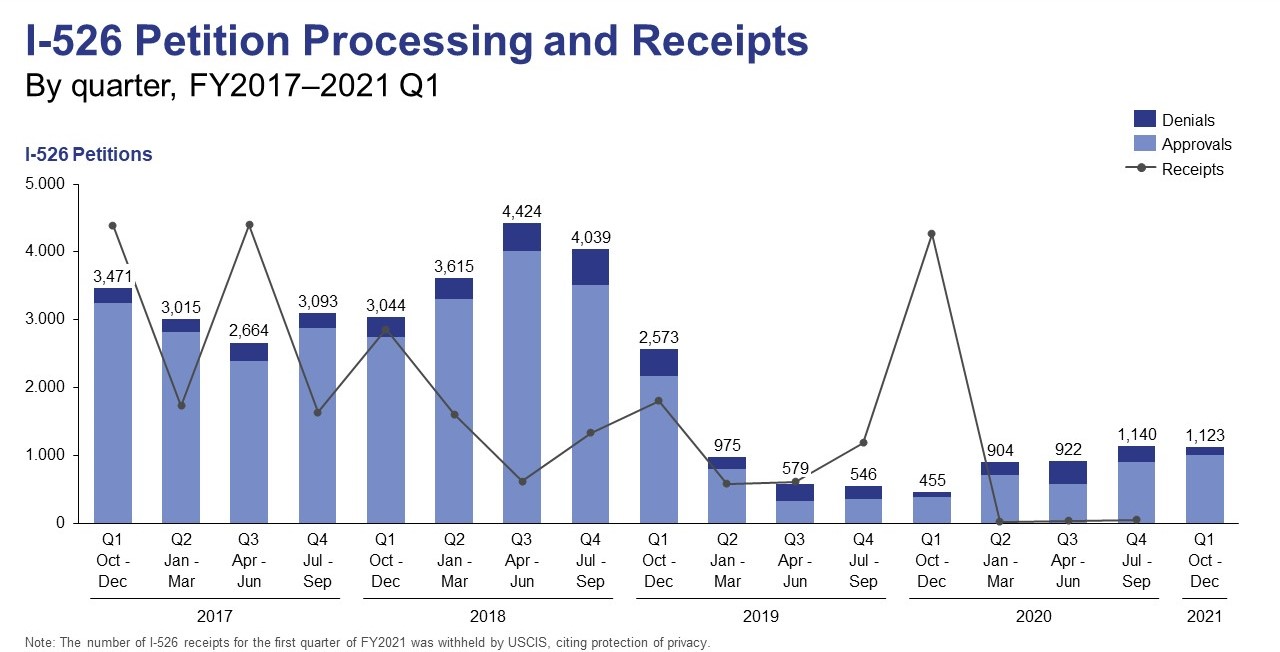
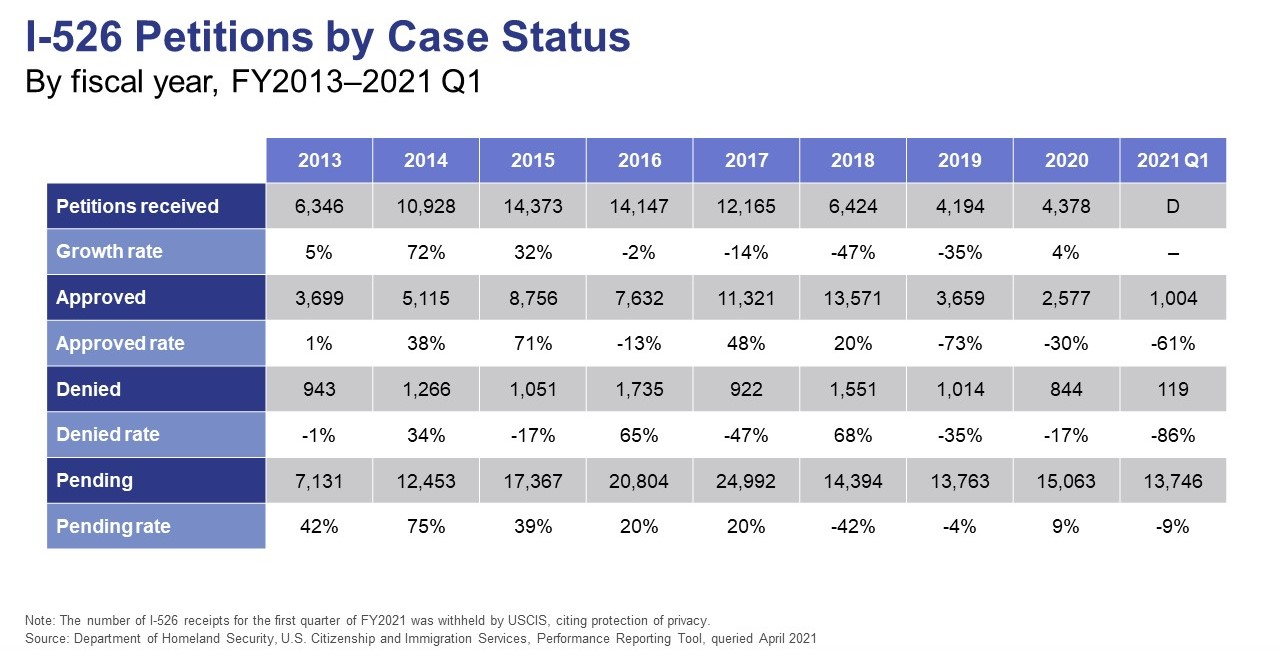
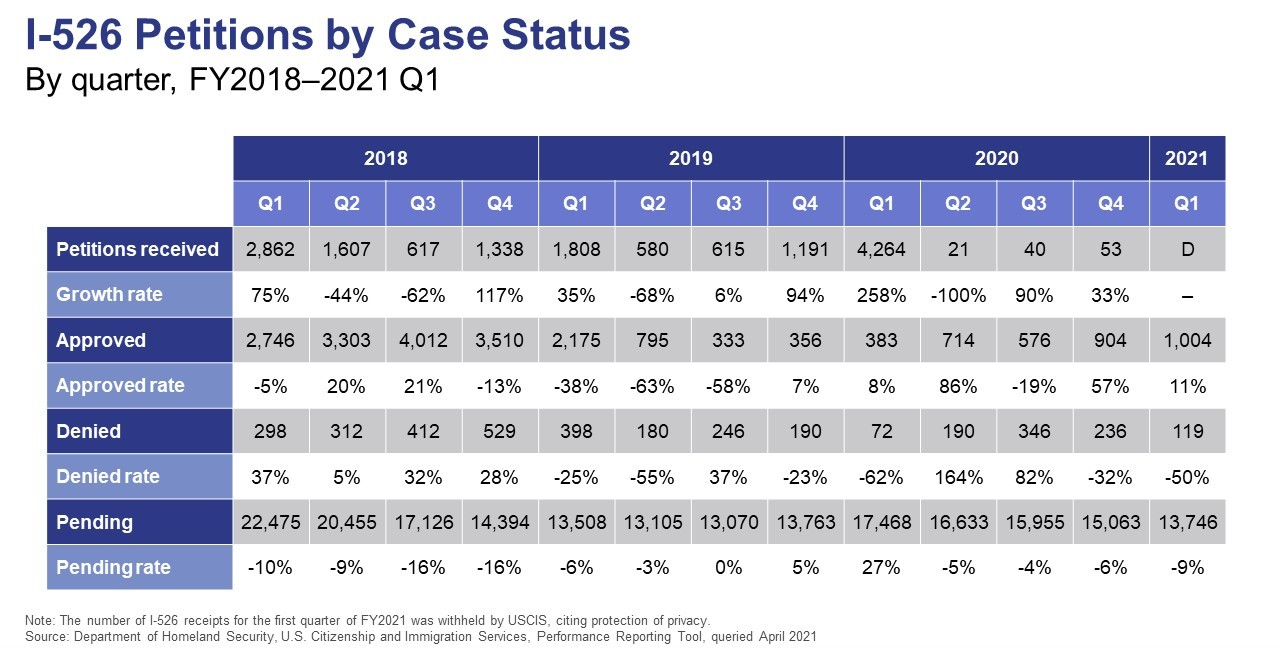
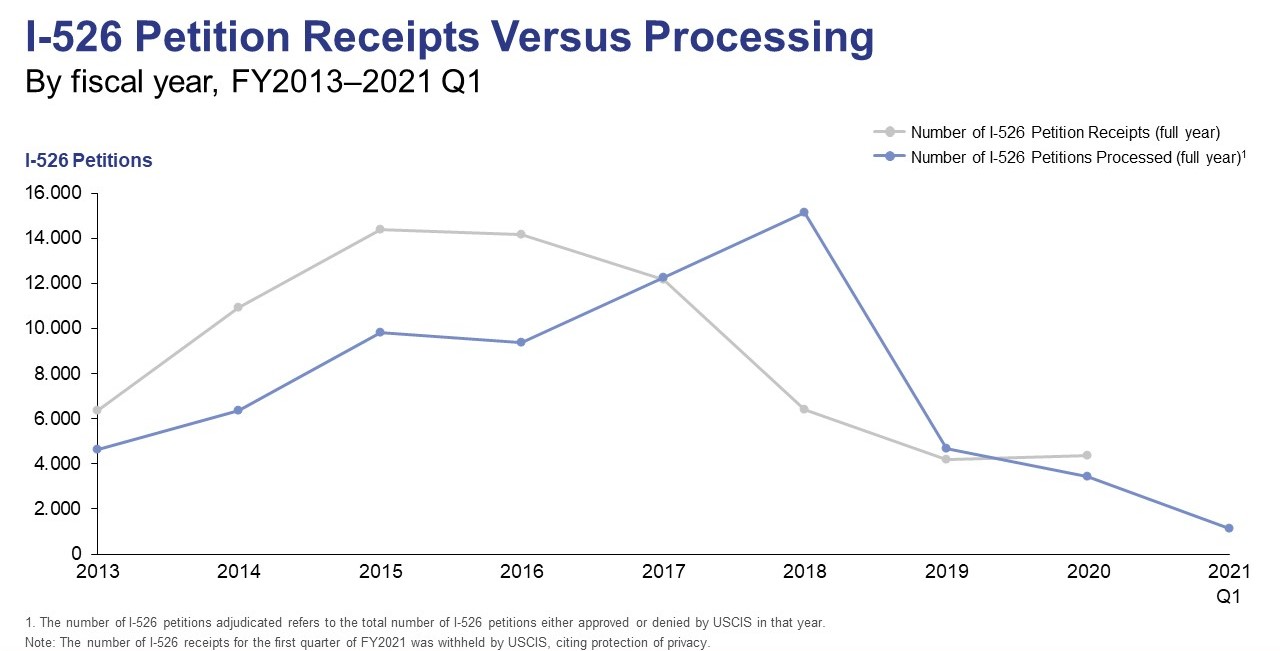
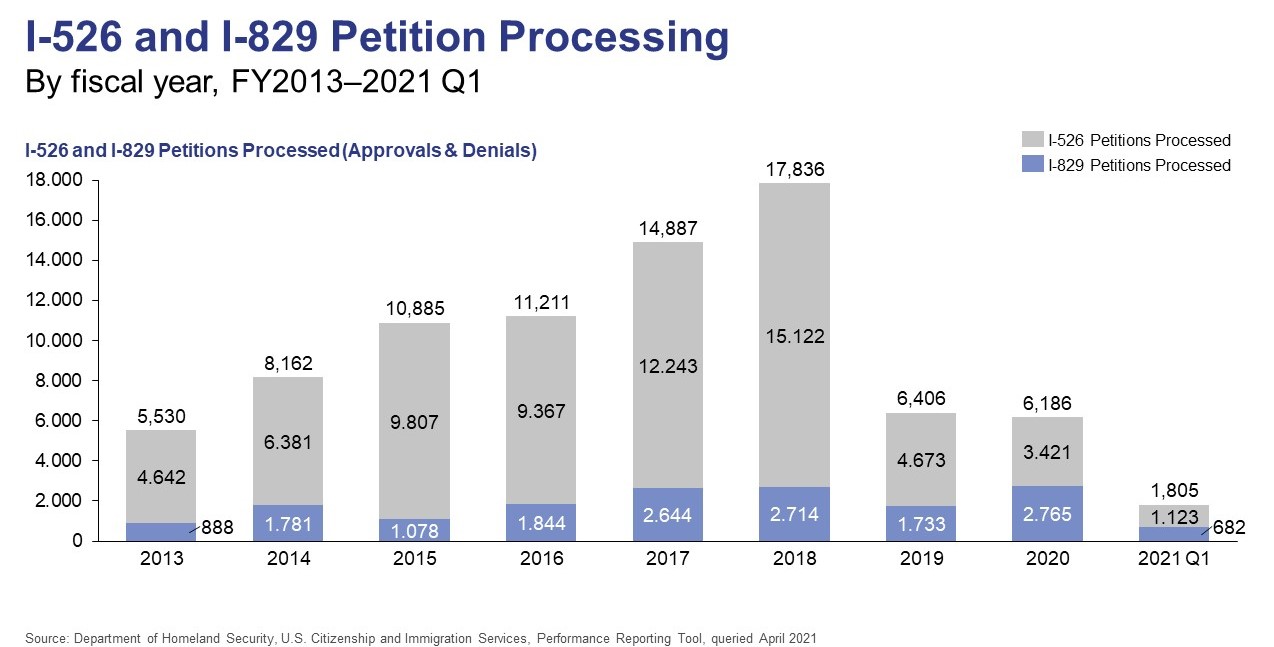
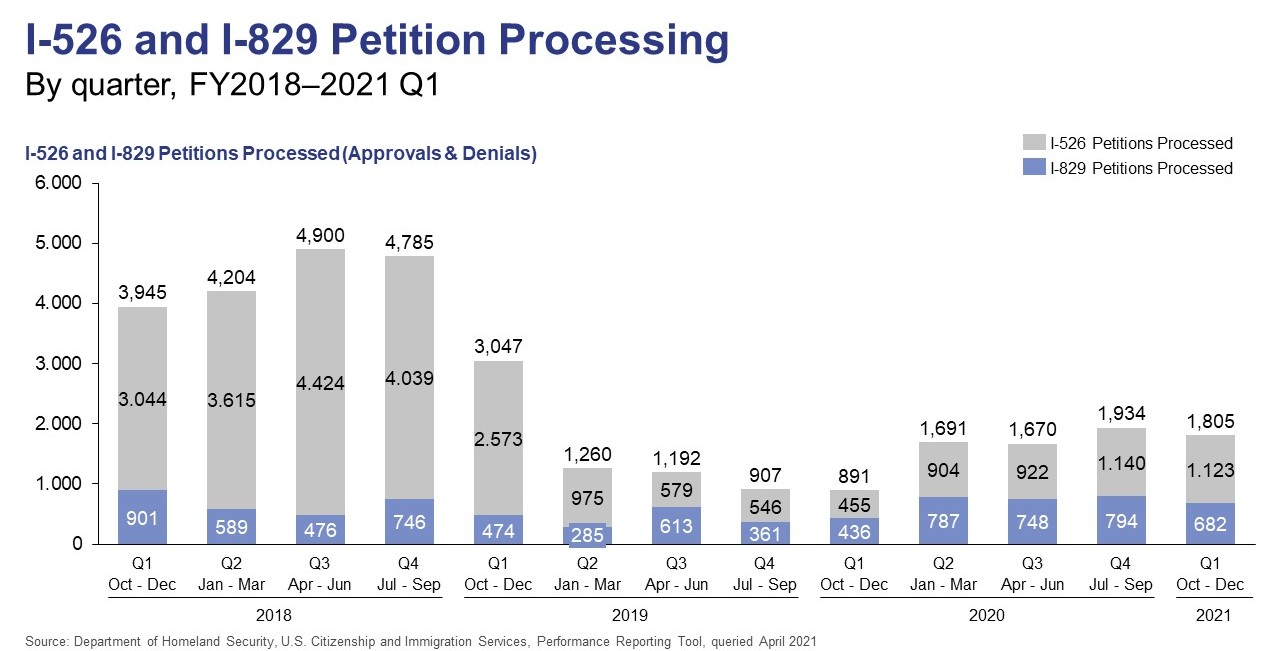
Immigrating to the United States during the pandemic has been difficult, to say the least. Despite the closure of U.S. embassies and consulates, EB-5 applications have continued. In fact, I-526 petitions have the potential to be processed faster than they were before the pandemic, making this a great time to make an EB-5 investment for those who are able to.

Free EB-5 Project Evaluation

Senators and Bad Press Spread Misconceptions about the EB-5 Program

Senators and Bad Press Spread Misconceptions about the EB-5 Program

Four U.S. senators — Tom Cotton, Ted Cruz, Josh Hawley, and Chuck Grassley — pushed for the suspension of employment-based immigration programs, including the EB-5 program, in a May 7 letter to former President Trump. This effort followed rumors spread by Politico, that former President Trump’s coronavirus relief bill would enact significant changes to the program. Politico alleged that Senator Lindsey Graham pushed for extensive changes to the EB-5 program in the coronavirus relief bill, while Graham vehemently denied that he did so.

In the letter, the four senators claim immigration programs such as H-1, H-2B, and OTP attract immigrants and take American jobs — jobs desperately needed in the wake of the COVID-19 pandemic. They specifically target EB-5 investors at the end of their letter and request that former President Trump removes these investors from the list of exemptions from the immigration restrictions that had been put in place in an April 27, 2021 proclamation.

The letter included entirely false claims about the EB-5 program. The senators claimed the program is a “pay-for-citizenship scheme.” They also wrote that the process is wrought with “scandal and fraud.” While these statements about the program are not factual, the bad press they create can generate misconceptions for potential investors looking to make an EB-5 investment.

U.S. Regulations Monitor Against Fraud in the Program

Every program must be cautious about people looking to game the system. The EB-5 investment program has seen fraudulent activity before it is exceedingly rare, with extensive measures in place to prevent fraud.

In order to prevent and address fraud, United States Citizenship and Immigration Services (USCIS) has increased training and cooperation with external agencies such as the Immigrant Investor Program Office. These efforts are meant to catch the minimal amount of fraud that has occurred in the past.

In November 2019, the Department of Homeland Security enacted the EB-5 Modernization Rule to prevent people from abusing the EB-5 program and ensure that funds are primarily being allocated to areas in need.

EB-5 Investors Can Not Purchase a Green Card

Critics of the EB-5 investment program, including the four senators who wrote the letter to former President Trump, perpetuate the idea that the EB-5 program is a pay-for-citizenship scheme. However, investors cannot simply put the required money into a project and expect a green card. In order for potential investors to obtain their green card, their investment capital must be at risk throughout the investment process. Additionally, they must prove that their investment will create or has created 10 new full-time jobs for U.S. workers. Investors must be willing to take this risk in order to receive a green card. EB-5 investors must also prove that their EB-5 capital has been lawfully sourced. USCIS will deny an investor’s petition if they do not meet these requirements.

The EB-5 investment program helps lift the economies where successful EB-5 investment projects are based. The program has funneled 37 billion dollars in foreign capital into the U.S. economy since 2008. In addition, each EB-5 investor must generate 10 new jobs from their investment, which helps lower the unemployment rate in the community where the project is based.

EB-5 Investors Are an Asset to the United States

The minimum investment requirement to join an EB-5 investment project means that successful foreign investors are wealthy and successful. Their success and wealth make them beneficial to the United States, meaning that EB-5 investors will continue to benefit the U.S. economy even after their EB-5 investment.

Senatorial Support Would Help the EB-5 Program Grow

EB-5 investments benefit the United States with job creation and additional funds being invested in U.S. communities. These economic benefits and an influx of foreign investors would help the U.S. economy recover from the COVID-19 pandemic. In order to attract these investments and investors, the United States must remain competitive against other countries that also have investment-based immigration programs. U.S. senators must support reform to the program that would make it more efficient to ensure that the United States continues attracting foreign investors.

Free EB-5 Project Evaluation

How to Make Your EB-5 Investment During the COVID-19 Pandemic

How to Make Your EB-5 Investment During the COVID-19 Pandemic

Like most industries, the COVID-19 pandemic has affected many aspects of the EB-5 program. However, United States Citizenship and Immigration Services (USCIS) has continued to process EB-5 petition adjudications throughout the pandemic. Foreign investors looking to obtain an EB-5 visa are still able to prepare for and potentially initiate EB-5 investments.

In order to complete their projects, certain EB-5 investors may need pandemic restrictions pandemic to be lifted. Many U.S. embassies and consulates continue to have their doors shut because of the pandemic. However, these closures do not prevent prospective EB-5 investors from beginning their immigration journey.

Deciding Between Different Types of EB-5 Investments

It is important for any prospective EB-5 investor to evaluate the different types of EB-5 investment and determine which best fits their needs. The best way to begin this process is by talking to an immigration lawyer. Immigration attorneys are available via video chat during the pandemic. They can guide EB-5 investors through decisions like whether they should make a direct or regional center EB-5 investment or if they should invest in a targeted employment area (TEA).

The EB-5 Investment Program’s Requirements

EB-5 investors must be able to invest $900,000 if their project is located in a TEA or $1.8 million if their project is located outside of a TEA. This requirement may also be difficult to satisfy during the pandemic if a potential investor has trouble liquidizing funds.

Once a potential investor has provided the necessary funds, they are encouraged to contact an immigration lawyer. An attorney can help EB-5 investors determine the best types of funds to prove that their investment capital is lawfully sourced.

Decide Why You Are Making an EB-5 Investment

It is important for investors to establish what returns they are looking to make on their EB-5 investments before selecting a project. Most EB-5 investors are more concerned with obtaining a U.S. green card than receiving a high return. If this is the case for you, you may prefer to invest in a project sponsored by a regional center. Investing through a regional center often simplifies the investing process and facilitates the demonstrated job creation requirement, with limited managerial requirements for the investor.

However, if an investor hopes to see high return on their investment, they may choose to make a direct EB-5 investment. Direct investors have more control over their capital, although this often comes with increased managerial requirements.

Evaluate Investment Risk Levels

It is essential that potential EB-5 investors conduct thorough due diligence before selecting a project. EB5AN has produced an EB-5 Project Risk Assessment Questionnaire to help investors evaluate the financial and immigration risks associated with a project.

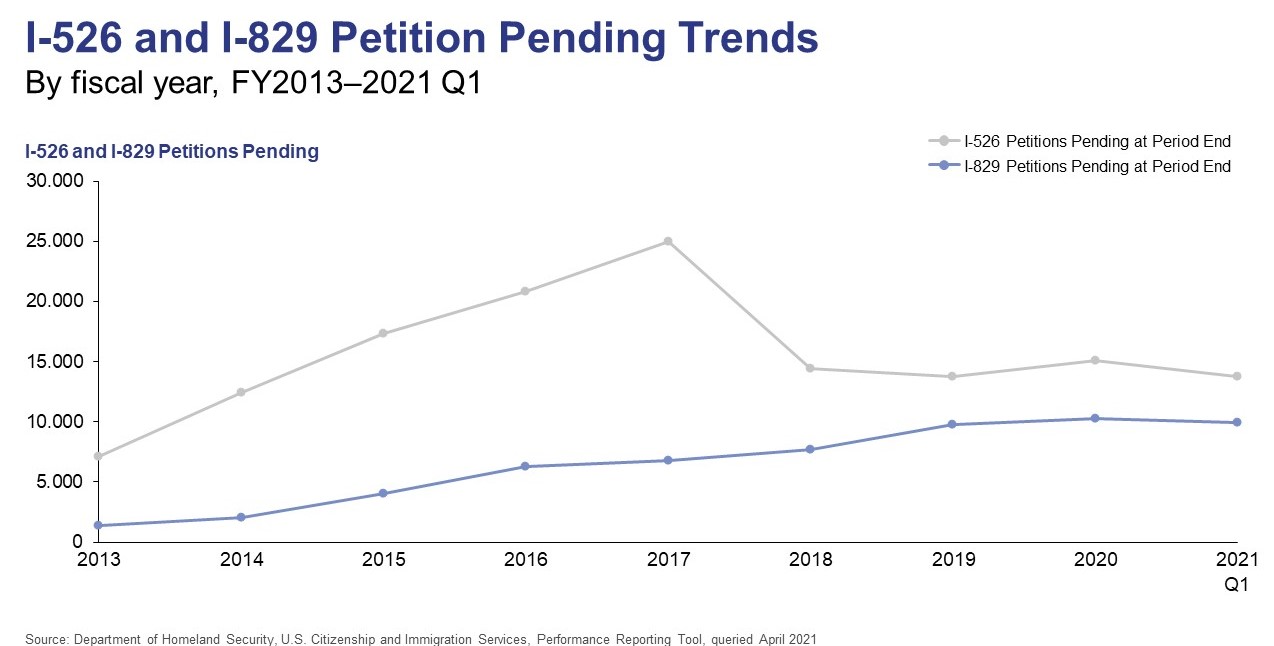
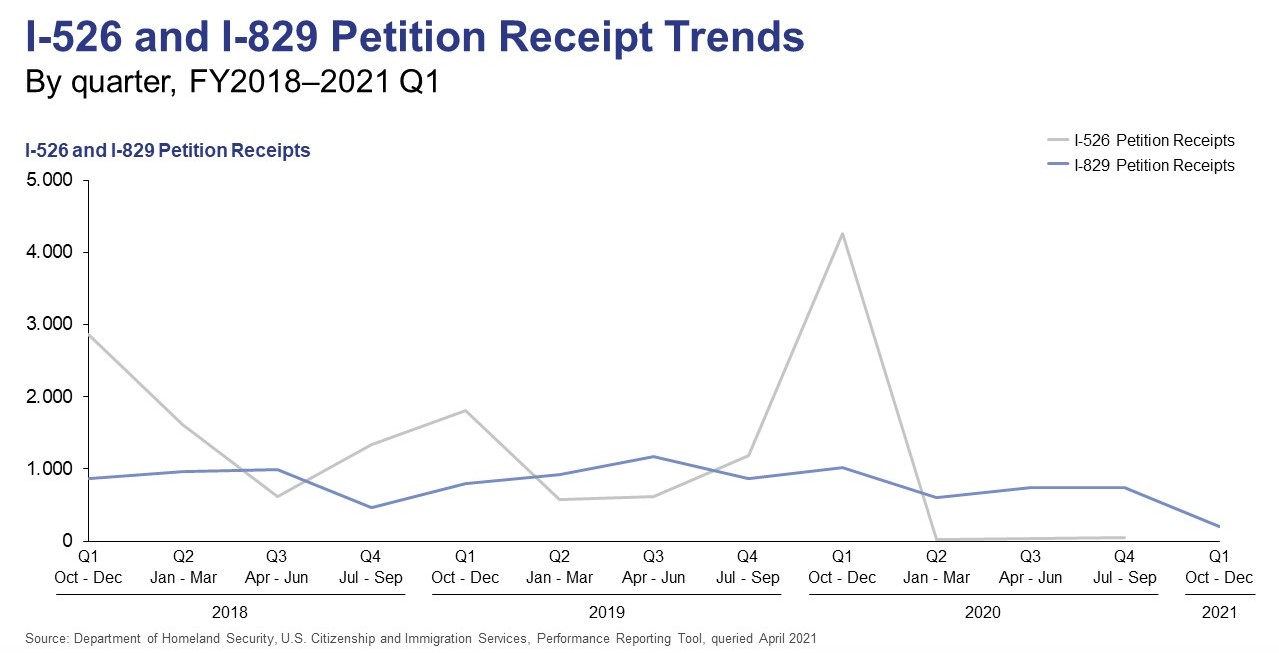
The questionnaire is not the only tool to determine whether an EB-5 investment project fits an investor’s needs. Investors should also look through the documentation of a project. This paperwork may seem tedious but will offer potential investors insight into whether the majority of a regional center’s I-526 and I-829 petitions were approved and if they have returned investors’ funds.

Free EB-5 Project Evaluation

A Rundown of the EB-5 Program

A Rundown of the EB-5 Program

To say that people around the world dream of a life in the United States would be an understatement. With the world’s strongest economy, world-renowned higher education institutes, and state-of-the-art health care facilities, the United States offers a life that people in most countries can only dream of. Billions around the world have also fallen in love with the United States thanks to Hollywood, and as the world’s leading media exporter, the United States attracts awe-struck visitors to its borders each year.

Visiting or living in the United States short term is one thing, but for those looking to make the United States their permanent home, the process is trickier. Save for marrying a U.S. citizen or permanent resident, the only permanent path to immigration is usually employment-based, and attaining a work visa can be difficult, whether due to political reasons—such as the Trump administration’s immigration ban in 2020—or systemic reasons, with the H-1B visa putting applicants through a lottery system due to excessive demand.

That’s where the EB-5 Immigrant Investor Program comes in. For a one-time passive investment of $1.8 million or $900,000, depending on the targeted employment area (TEA) status of the project, foreign nationals can gain U.S. permanent resident status for themselves, their spouse, and their unmarried children below the age of 21. Largely seen as one of the fastest and easiest pathways to U.S. immigration, the EB-5 program welcomes thousands of investors and their families to the United States every year.

Overview of the EB-5 Program

The EB-5 program was formed in 1990, when Congress voted to pass an immigration bill that packaged a number of immigration programs together. One was the EB-5 program, or the employment-based fifth-preference program, whose purpose was to stimulate the U.S. economy and drive job growth in high-unemployment and rural areas.

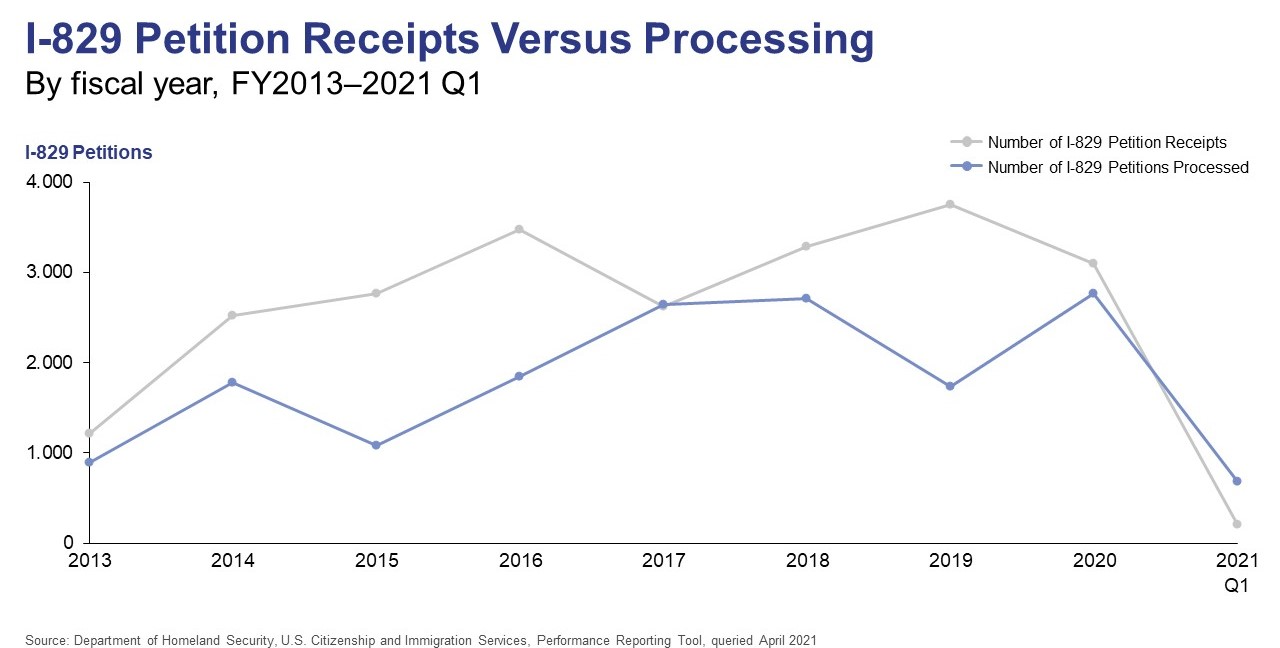
For an EB-5 investment to procure its investor a U.S. green card, it must satisfy the various requirements of the program. If United States Citizenship and Immigration Services (USCIS) adjudicators believe an EB5 investment as presented in an I-526 petition is more likely than not to fulfill the program requirements, they grant the petitioner two-year conditional permanent resident status. Within the final 90 days of the conditional permanent residency period, the investor must file an I-829 petition outlining how the EB-5 investment indeed met the program requirements. Approval of the I-829 petition results in the removal of the conditions from the investor’s permanent resident status.

EB-5 Requirements

While EB-5 program requirements can be challenging to satisfy, they are generally not as restrictive as requirements for conventional immigration programs. In the EB-5 program, an investor’s language skills, educational background, and professional qualifications are irrelevant. To gain U.S. permanent residency rights through the EB-5 program, an investor must invest the required amount of lawfully obtained capital in a qualifying EB-5 project for the duration of the two-year conditional residency period and ensure that the EB5 investment results in job creation for U.S. workers.

Minimum Required Investment Amount

There is no maximum EB-5 investment amount, but investors must inject a minimum amount of capital to qualify for the immigration benefits. For regular EB-5 projects, the minimum amount is $1.8 million, but for TEA projects, it’s halved to $900,000. TEAs are characterized by unemployment rates 50% higher than the national average or a population of less than 20,000.

Lawful Source of Funds

The capital an investor infuses into an EB-5 project must have been legally obtained in order to confer the investor immigration status in the United States. EB5 investment capital can be sourced from virtually anywhere as long as the investor can prove its lawful origins. Investors are advised to work with EB-5 legal counsel to determine the best fund sources to document.

At-Risk Status

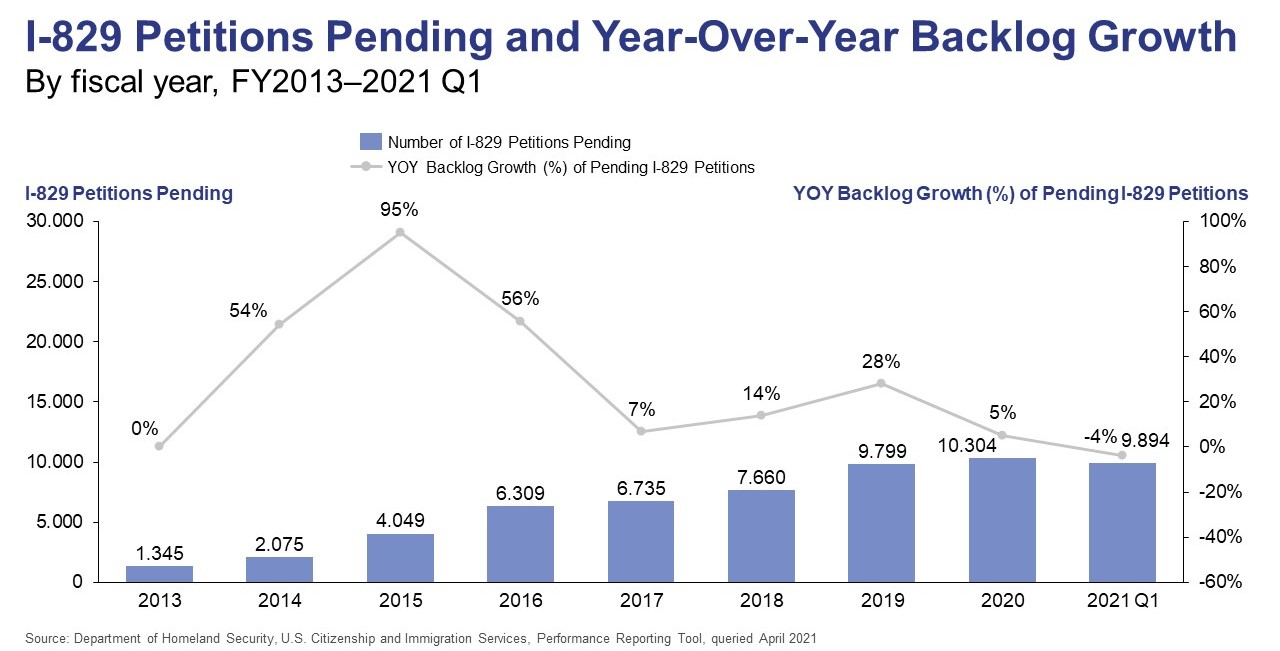
Investors must maintain their EB-5 investment capital at risk throughout the entire investment period, including the full two-year conditional permanent residency period. In other words, the capital must incur the possibility for both loss and gain at all times. Lengthy backlogs have led to the need for some investors to redeploy their capital to maintain the at-risk status.

Job Creation

Given that the EB-5 program’s fundamental goal is economic stimulation and job creation, an EB5 investment must fund the creation of at least 10 new, full-time jobs in the United States before the investor may qualify for immigration benefits. The precise conditions of the job creation requirement depend on whether the EB5 investment has been injected directly into an EB-5 project or through an EB-5 regional center, with regional center investments enjoying relaxed requirements.

Direct EB-5 Investment vs. Regional Center EB-5 Investment

The EB-5 program presents two pathways to a U.S. green card: direct investment in a qualifying project or indirect investment through a regional center. Both routes have their merits, and both end in the same outcome, should an EB-5 investment be successful. However, most EB-5 investors opt for the regional center due to the relative security and freedom it offers.

Direct investment is the best option for experienced business managers who want to make the most of their financial returns. In this pathway, the investor is generally involved in the day-to-day management of the new commercial enterprise (NCE), requiring them to live near the project. The minimum 10 jobs must be direct hires of the NCE or construction jobs that last at least two years.

Regional center investment, conversely, pools EB-5 investment capital from numerous investors together into an investment in a larger project. Reputable regional centers are run by business experts who conduct careful due diligence on projects before offering them, generally rooting out projects in TEAs to procure a lower required EB5 investment amount for investors. In most cases, simply signing on as a limited partner is enough for an investor to satisfy the involvement requirement, and job creation is significantly easier, with indirect and induced jobs estimated through a professional third-party economic calculation able to be counted.

Why Invest in the EB-5 Program?

The reasons for setting up a permanent home in the United States are plentiful. From the world-class educational opportunities—both at the university and public school level—to the cutting-edge technologies at U.S. medical facilities, to the high levels of peace and stability the country experiences, a life in the United States can be the best investment a foreign national can make in their family’s future. With the right to live, work, and study anywhere in the United States, permanent residents can live the American dream, taking pride in having fostered their new country’s economy through their EB-5 investment.

Free EB-5 Project Evaluation

Why Most EB-5 Investors Choose Regional Center Investment

Why-Most-EB-5-Investors-Choose-Regional-Center-Investment

Whether a foreign national makes an EB-5 investment through a USCIS-approved regional center or directly in their chosen EB-5 project, the outcome of a successful investment is the same: U.S. permanent resident status for the investor and their immediate family members. Success is contingent on meeting the various requirements of the EB-5 program, including investing the minimum required investment amount, proving the lawful source of funds of the EB5 investment capital, and creating no fewer than 10 full-time jobs for U.S. workers.

EB-5 investment through a regional center and EB-5 investment directly in a qualifying project both have their merits. Direct investment is well suited to investors with substantial managerial experience who wish to work closely with the new commercial enterprise (NCE) to retain more control over their investment funds. For most EB-5 investors, however, the choice is clear: the advantages of investment through a regional center far outweigh those of direct EB5 investment.

What Are the Advantages of EB-5 Regional Center Investment?

Most EB-5 investors choose to work with a regional center—in fact, some years, all the investors from a given country opt for the regional center route. This choice isn’t without reason—EB5 investment via a regional center offers more security and freedom than direct EB-5 investment. Below are the key benefits of EB-5 regional center investment.

Higher Proportion of TEA Projects

Most regional centers focus on EB-5 projects that qualify for targeted employment area (TEA) status, which is designated to projects in particularly high-unemployment or rural areas that can especially benefit from the economic stimulation and job creation the EB-5 program cultivates. Congress has given foreign nationals a strong incentive to make an EB-5 investment in TEAs: the minimum required investment amount for TEA projects is halved from $1.8 million to $900,000. While direct investment projects can also qualify for TEA status, depending on their location, they are easier to find through EB-5 regional centers.

Lighter Managerial Responsibilities

Those who make an EB-5 investment directly in a project are generally required to heavily involve themselves in the day-to-day management of the NCE, which can be daunting for investors without sufficient managerial experience or who simply wish to devote their time to other affairs. Regional center investors are typically spared these responsibilities, instead satisfying the requirement of involvement in the NCE with a policy-advisor role as a limited partner. This allows investors to, for example, make an EB5 investment in a project in Florida yet move house to Hawaii.

Easier Job Creation Requirements

To be eligible for permanent resident status in the United States, a foreign national must prove their EB-5 investment has created at least 10 new jobs for U.S. workers. For direct investors, this can prove challenging, as the jobs must be direct (i.e., listed on the NCE’s payroll or construction jobs lasting more than 24 months). Regional center investors, on the other hand, can count not only direct jobs but also indirect and induced jobs. Thus, instead of showing the NCE’s payroll to prove job creation, regional center investors can supply a professionally drafted economic report estimated to have been created through the NCE’s provision of goods and services and the wages spent by NCE employees in the local community.

Guidance from EB-5 Professionals

EB5 investments are inherently complicated, and it can be challenging for an investor to navigate all the regulations on their own. Reputable regional centers are run by industry experts with extensive experience in the EB-5 sphere and investment projects, which means investors have access to professional advice and guidance to help them through the process. Most regional centers have in-house law experts to help make sure investors are complying with all the EB-5 regulations.

How Do You Choose the Right EB-5 Regional Center Program?

While making an EB-5 investment through a regional center generally offers more security than direct investment, meticulous due diligence on prospective regional centers is still imperative. Regional centers vary in their experience, professionalism, and track record, and anyone who aims to immigrate permanently to the United States should ensure they are entrusting their EB5 investment capital to a reputable organization. Here are three key aspects to consider when vetting potential regional centers.
Track Record

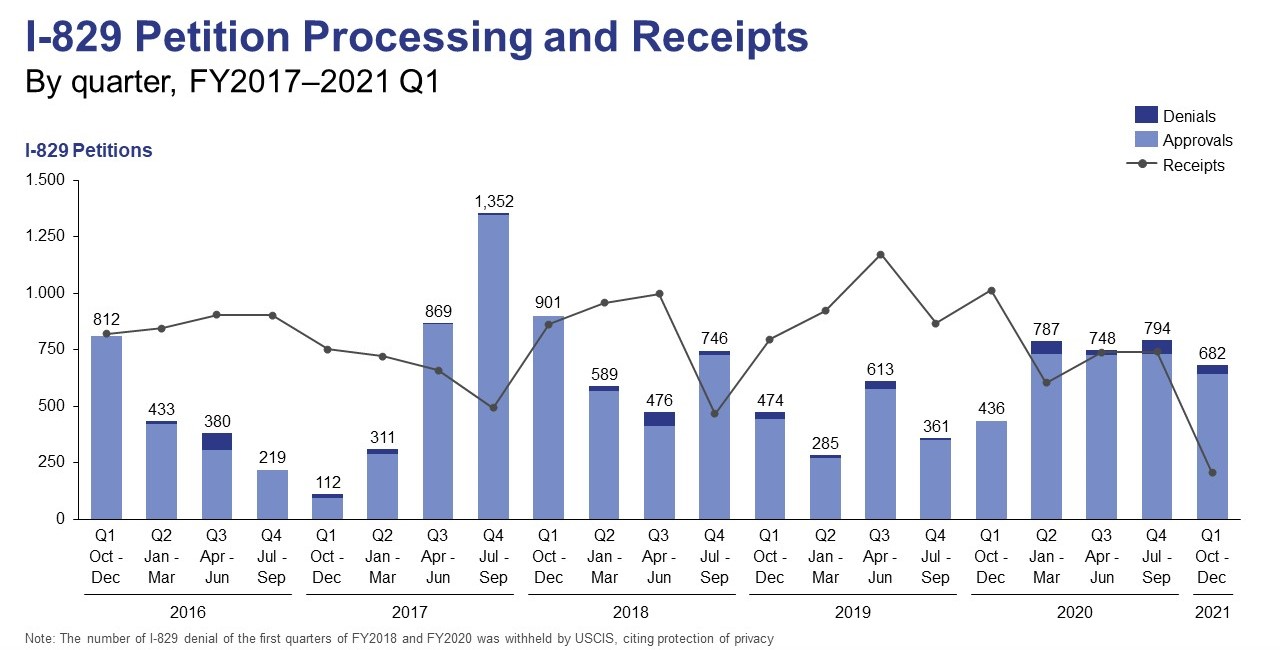
Consider how many EB-5 projects the regional center has previously worked with and how many of its EB-5 investors’ journeys have culminated in U.S. green cards. Look at the EB-5 regional center’s track record for both I-526 and I-829 petitions. To safeguard your financial interests, also ascertain how many previous investors have received their EB-5 investment capital back.

The Developers They Work With

Take a look at the developers and projects the EB-5 regional center works with. Who are the developers and how trustworthy are they? Find out who the construction lenders and general contractors are. Determine the developers’ commitment to their own projects by considering how much of their own money they have invested in their projects.

The People on Their Team

Learn who operates the EB-5 regional center and what their backgrounds are. Look into their credentials and experience in relevant areas, including EB-5 investments and project development. Ask questions and get to know the team—after all, if you choose to invest through the regional center, you will be working closely with them.

Free EB-5 Project Evaluation

Considerations in EB-5 TEA Eligibility Calculation: Timing and Rolling Calculations

Considerations in EB - 5 TEA Eligibility Calculation- Timing and Rolling Calculations (1)
The EB-5 Immigrant Investor Program is a successful U.S. green-card-by-investment program that, since its inception in 1990, has contributed billions in foreign capital to the U.S. economy and funded the creation of hundreds of thousands of new jobs. The foreign nationals who provide the EB-5 investment capital are issued green cards, assuming their investment satisfies the various requirements of the EB-5 program. Requirements include the creation of at least 10 full-time jobs for U.S. workers, proof of the legal sources of one’s EB5 investment funds, the maintenance of the capital in an at-risk status for the duration of the EB-5 investment, and, of course, funds that meet the minimum required investment amount.

All of the above-mentioned requirements can pose problems to EB-5 investors, with the minimum required investment amount constituting the most absolute obstacle. Clocking in at $1.8 million, the minimum required investment amount can nullify an EB5 investment journey before it even begins, since many foreign nationals don’t have $1.8 million handy to infuse into a U.S. new commercial enterprise (NCE). That’s where targeted employment area (TEA) projects come in. With a minimum required investment amount of $900,000, TEA investment allows an EB-5 investor to obtain the same U.S. permanent residency benefits as with non-TEA projects at half the cost.

Complexities of TEA Eligibility Calculation

While the definition of a TEA is clear cut, in practice, calculating whether a project qualifies for TEA designation can be tricky. TEAs come in two different flavors—high-unemployment TEAs and rural TEAs, with high-unemployment TEAs accounting for the majority. Rural TEAs are relatively easy to calculate—using the latest 10-year U.S. census data, an investor must show the area has fewer than 20,000 inhabitants and is not located in a metropolitan statistical area (MSA) or on the outskirts of an area with more than 20,000 inhabitants.

The calculation of TEA eligibility for high-unemployment TEAs is more complicated. To qualify, an area must have an unemployment rate 50% higher than the national average, using reliable and current census-tract-level unemployment data. Those pursuing an EB-5 investment essentially only have two datasets to cull figures from: American Community Survey (ACS) five-year census-tract data and Bureau of Labor Statistics (BLS) annual county-level data. In most cases, EB-5 investors target a census-tract-level TEA, leaving them with two calculation options: using the imprecise five-year estimates from ACS or combining the five-year ACS data with the annual county-level data from BLS to extract a more precise estimate. The latter is known as the census-share method.

Poor Timing Can Lead to Projects Losing TEA Eligibility

United States Citizenship and Immigration Services (USCIS) requires investors to use the most recent available unemployment data when demonstrating TEA eligibility in their I-526 petition. If the unemployment rate decreases and the area no longer encompasses a rate 50% higher than the national average after the investor has submitted their I-526 petition, they can proceed with their lower investment amount, as long as the area qualified as a TEA at the time of submission. However, fluctuating unemployment data throughout the project planning stage can put investors in danger of needing to make a $1.8 million EB5 investment.

Rolling Monthly Calculations of Census Tract Unemployment Data

While ACS figures are only released yearly, consolidated in a five-year chunk of data, BLS releases unemployment data monthly with a two- to three-month lag. Typically, investors use BLS’s annual releases, published in April of the following year, to obtain a more precise estimate of unemployment levels. However, if an investor compiled BLS’s monthly data releases over the most recent 12 months, the calculation would yield the most accurate possible estimate of current unemployment data.

This calculation method is known as the “rolling average” because it provides insight into a 12-month period covering periods in two different calendar years. In the era of COVID-19, such a calculation could be particularly valuable, as it would highlight the debilitating economic effects of the pandemic more quickly than the annual BLS data, expected to be published in April 2021. As of January 2021, the most recent yearly BLS data available covers 2019, thus missing any effects from the COVID-19 pandemic.

If an EB-5 investor opts for the rolling average calculation method—which, it should be noted, is an atypical calculation method that could throw a USCIS adjudicator for a loop—it’s imperative to compare the data to the national unemployment data for the same period. Presenting data from different time periods, even if they overlap, would constitute an invalid TEA calculation. The investor should also ensure they are filing their I-526 petition with the most recent BLS monthly data available. If the next month’s data is released during the I-526 preparation period, the rolling average calculation should be revised to encompass it.
Can You Calculate a TEA with Data Covering Less Than a Year?

An EB-5 investment participant may wonder whether they can calculate TEA eligibility with data covering nine months, six months, three months, or even one month. USCIS has not provided any specific guidance against such a calculation method, but prospective investors should be aware that this constitutes unexplored territory in the EB-5 realm. In a data release in March 2020, the immigration body did indirectly consider a one-month TEA eligibility calculation, with the example calculation in the question only spanning a one-month period and USCIS ignoring the calculation period in its answer to the main point of inquiry. However, this should not be automatically construed as acceptance of such a method.

Since month-to-month unemployment data can fluctuate greatly, a USCIS adjudicator may be reluctant to accept a rolling average calculation of less than one year, as it could be deemed to inaccurately represent the region’s unemployment situation. This danger is magnified during the COVID-19 crisis, since a rolling average calculation over a short period of time could dramatically accentuate unemployment that may not continue long into the post-COVID recovery. Considering that most I-526 petitions are not adjudicated until about two years following submission, it’s unlikely that such a calculation would be effective. The government may wish to exercise more leniency in light of the damage the pandemic has bestowed on the U.S. economy, but foreign nationals hoping to immigrate to the United States are strongly advised to avoid such gambles on their EB-5 investment.
Free EB-5 Project Evaluation

Addressing the EB-5 “Lawful Sources of Funds” Requirement

Addressing the EB-5 “Lawful Sources of Funds” Requirement

Since 1990, foreign nationals from various countries have taken advantage of the EB-5 Immigrant Investor Program to start a new life in the United States with their spouse and unmarried children younger than 21. Investors must part with $1.8 million—$900,000 for targeted employment area (TEA) projects—but an EB-5 investment in a bright, promising future in the United States is more than worth it, and if they select their EB-5 project carefully, investors may also earn a handsome return on their initial EB5 investment amount.

While the EB-5 program is known as one of the quickest and simplest methods to long-term U.S. immigration, an EB-5 investment still has to fulfill several requirements to qualify its investor for a U.S. green card. One such requirement is to provide documentation that proves the EB-5 investment capital originated from lawful sources. Although it makes sense for United States Citizenship and Immigration Services (USCIS) to require proof that its green-card-by-investment program is not promoting crime, either in the United States or abroad, the source-of-funds requirement can be time-consuming and challenging for investors to complete, depending on the type of funds comprising their EB5 investment.

To quote USCIS verbatim, an investor must “demonstrate by a preponderance of the evidence that the capital invested, or actively in the process of being invested, in the new commercial enterprise was obtained through lawful means.” Put more simply, an investor must provide evidence that shows their EB-5 investment capital is more likely than not lawful.

Different Investors Require Different Documentation

The difficulty behind offering general advice regarding the source-of-funds requirement is that each EB5 investment is different and thus requires different documentation. Procedures can also vary by country, with some documents more accessible in certain countries than others. Then, there’s the translation requirement—if an investor’s source-of-funds documents are not in English, they will also have to supply certified translations in English.
As USCIS allows EB-5 investment capital to come from any number of sources so long as it can be proven to derive from lawful sources, a wide array of documents could constitute source-of-funds documents for an EB5 investment. Below is a non-exhaustive list of potential source documents:

  • Tax returns
  • Bank statements
  • Loan documentation
  • Investment records
  • Employment records
  • Sale of asset records
  • Accounting records from the investor’s own business
  • Records of private transactions, such as gifts

How Long Does It Take to Gather Lawful Documentation?

The length of time any given EB-5 investor will require to gather the documents necessary to prove the lawful sources of their EB5 investment capital varies based on their country and the sources of their funds. Investors should speak with their EB-5 immigration lawyer to determine the most suitable sources of funds to use. EB-5 investment participants should also start considering the lawful sources of their capital in the investment planning stages, as their attorney will likely request the documents long before I-526 petition submission.
Additionally, the sooner an investor gathers source-of-funds documents, the sooner they can begin their new life in the United States. Delays in the document-gathering process will inevitably lead to delays in filing the I-526 petition, which will push the date of immigration to the United States further back.

Maximize Data Collection for Maximum Chances of I-526 Success

If you’re not sure whether to include a particular document—then you should probably provide it! Investors aren’t penalized for providing too many documents to prove the lawful sources of their EB-5 investment funds, and any document that can sway the adjudicator’s opinion in favor of the investor is a good thing.

In some cases, certain documents or records may not be available to the investor. If, for example, an EB-5 investor’s bank deletes bank account statements from its archives after a certain period of time, the investor may not be able to access necessary records to prove the sources of their funds. Fortunately, there are workarounds in such situations—an investor may ask their accountant to provide a sworn affidavit that details the same information that the bank statement would have, alongside a justification of why the original document is unavailable. Using such solutions to source-of-funds obstacles, most investors can secure their bright future in the United States.

Free EB-5 Project Evaluation

What Data Can EB-5 Investors Use to Justify TEA Designation of Their Project?

What Data Can EB - 5 Investors Use to Justify TEA Designation of Their Project-min

Since 1990, foreign investors interested in obtaining U.S. permanent resident status for themselves and their immediate family members have had a lucrative option available to do so: the EB-5 Immigrant Investor Program. For years, the program has granted U.S. green cards to foreign nationals who make successful EB-5 investments, meeting the various program requirements and creating 10 full-time jobs filled by U.S. workers. The program funnels foreign capital into in-need regions by promoting targeted employment area (TEA) investment with the incentive of a lower required investment amount.

Though the EB-5 program has been continuing its mission to stimulate the U.S. economy for decades, in November 2019, making a viable EB5 investment suddenly became more difficult for countless prospective investors. When the Modernization Rule came into effect, it increased the minimum required investment amount for non-TEA projects from $1 million to $1.8 million and the amount for TEA projects from $500,000 to $900,000. Suddenly, countless prospective investors were no longer eligible to participate, and countless others found themselves restricted to TEA EB-5 investment.

The complicated aspect of TEA investment is that United States Citizenship and Immigration Services (USCIS) does not itself demarcate TEAs, meaning the investor must present evidence in their I-526 petition demonstrating why their project qualifies for TEA designation. While this certainly complicates matters, it packs both advantages and disadvantages: it demands additional effort from the investor and adds an extra element of uncertainty into the EB-5 investment journey, but at the same time, it allows for flexibility in demarcating TEAs.
TEAs come in two varieties: high-unemployment TEAs and rural TEAs. High-unemployment TEAs are classified as areas with an unemployment rate 150% of the national average, while rural TEAs are defined as having fewer than 20,000 inhabitants. The methods for calculating TEA eligibility differs for the two types, and this article focuses on calculation methods for high-unemployment TEAs.

Two Main Data Sources for TEA Justification

While USCIS does not outline one specific calculation method for determining TEA eligibility, the immigration body does provide particular data sources that EB-5 investors must base their calculation on. The first is American Community Survey (ACS) data, which is calculated at the census-tract level and released every five years. As of January 2021, the most recent release of ACS census-tract employment data is ACS 15–19, covering the five-year period between 2015 and 2019.

The second data source for determining high-unemployment TEA designation is Bureau of Labor Statistics (BLS) Local Area Unemployment Statistics (LAUS). BLS data is calculated at the county level and may be used independently to procure TEA status for qualifying counties or metropolitan statistical areas (MSAs). However, most TEA designation is granted at the census tract level, where BLS must be used in conjunction with ACS data to obtain a more precise estimate of current unemployment levels. While BLS data is released monthly, the yearly estimates are typically used in TEA status calculation because the calculations must be based on the most recent data available at the time of adjudication. In other words, using annual data is more practical, as the data remains valid for longer. Annual BLS data is usually published in April of the following year, so the annual BLS data for 2020 can be expected in April 2021.

Time Lags Mean Long Delays Before COVID-19 Impacts Are Visible

The COVID-19 pandemic has wreaked havoc on the entire world, including the United States and its economy. While the EB-5 program represents a lucrative means to help stimulate the U.S. economy in its time of need, the time lag in ACS and BLS unemployment data minimize the potential benefits the EB-5 program could offer as the United States rebuilds its economy. Those participating in an active EB-5 investment, as well as those considering making an EB5 investment, may predict future unemployment levels by considering which areas of the United States have suffered greater economic consequences as a result of the pandemic, but the nature of EB-5 TEA calculation may prevent the effects from permeating the data for several years. BLS data for 2020 will be available in April 2021, but in most cases, TEA calculation with just BLS data is unviable, and even when the ACS five-year data for 2016 to 2020 is released in December 2021, the impacts of COVID-19 will be drowned out by the data of the previous five years.

TEA Calculation Methods: ACS-Only vs. Census-Share

One of the key advantages of having to individually prove TEA eligibility for each EB-5 investment is that the two census-tract unemployment rate calculation methods can garner different results, and even if the EB5 investment does not qualify for the lowered investment amount in one calculation method, it may in the other. Ineligibility in one method does not disqualify an EB5 investment for TEA status as long as the other one indicates TEA eligibility, giving investors some control over their TEA designation.

Since the five-year ACS unemployment dataset focuses on census tracts, EB-5 investors can opt to use only ACS data in their TEA calculation. If they choose this route, they must similarly use ACS data to determine the national unemployment average to which they are comparing the census-tract unemployment rate.

If, however, the ACS-only method does not yield TEA eligibility, an investor can instead apply the census-share method, which combines the five-year ACS data with BLS data for a more precise estimate of current unemployment levels. The method compares the percentage of unemployment in the census tract as measured by the ACS data to the more recent county-based rate of the BLS data and, under the assumption that the percentage will remain stable, estimates a more current unemployment rate for the census tract.

Given the wide-ranging changes that are expected to permeate the unemployment rate data due to the COVID-19 pandemic’s debilitating impacts, differentiating between these two calculation methods could become more important than ever. EB-5 investment participants concerned their current TEA will lose its eligibility should opt for the more stable ACS-only method, while investors hoping their project region will become eligible for TEA designation should use the more volatile census-tract method, which will reflect the impacts of the pandemic sooner. By carefully choosing their TEA calculation method, EB-5 investors can better procure a bright future in the United States for themselves and their immediate family members.