



Free EB-5 Project Evaluation

Why Making a Direct EB-5 Investment is Advisable

Why Making a Direct EB-5 Investment is Advisable

The EB-5 program is a popular way for foreign nationals to obtain a U.S. green card. Because of the suspension of regional center investment in June 2021, many potential investors are looking for direct EB-5 investment projects. This investment type is regarded as one of the best options for foreign nationals seeking U.S. residency and remains popular.

As of June 22, 2021, the minimum EB-5 investment amount for targeted employment area (TEA) projects is only $500,000, making the program accessible to many foreign nationals. This amount was lowered because the controversial EB-5 Modernization Rule was deemed invalid by the U.S. District Court for the Northern District of California. As a result, guidelines for EB-5 investments reverted to their pre-Modernization Rule status.

However, investors need to act fast: United States Citizenship and Immigration Services (USCIS) has already filed an appeal to reverse the court’s decision, and the minimum investment threshold might increase soon. Interested foreign nationals are advised to invest at the lower amount of $500,000 and start the EB5 investment process, thus securing their status before any further changes are made.

Why make a direct EB-5 investment? There are three key reasons why direct EB-5 investment is a great option for foreign nationals.

1. Investors are Actively Involved in their EB-5 Projects

Since the suspension of the regional center program in June 2021, direct investment is the only option for foreign nationals looking to make an EB5 investment. While regional center investors often have a more passive role in their projects, direct EB-5 investors can choose to be active. Many direct investors want to be involved in the major decisions and are “hands-on” managers of their business. For investors wanting to retain some control over how their capital is used, direct investment is an ideal choice.

2. The Potential for Higher Returns

Direct EB-5 investment also offers greater potential returns. There are fewer people involved with direct EB-5 projects when compared to regional center projects, and the EB-5 investment capital goes directly into the new commercial enterprise (NCE). When direct EB-5 businesses grow, their investors receive a higher rate of return—this greater earning potential should motivate prospective EB-5 investors.

3. A More Secure Path

By selecting the direct EB5 investment path, investors can take comfort in knowing that their investment route is secure for the long term. The recent suspension of the regional center program created concern for investors. In fact, USCIS halted all I-526 petitions related to regional centers, so regional center investors may eventually try to get their funds back.

Direct EB-5 investors do not face these issues. Since direct EB-5 investment is already embedded within the EB-5 program, this investment route is not subject to periodic review. At present, the fact that no petitions from regional centers are being accepted means that there are more USCIS adjudicators available to handle direct investment petitions. This may result in shorter processing times for direct EB-5 investors.

Participating in the EB-5 Program

Now is the best time to make a direct EB-5 investment; the minimum investment amounts could be raised in the near future. Direct investors will appreciate being involved in the management of their business and enjoy the stability and returns associated with direct EB-5 projects.

EB5AN is here to help interested investors with their EB-5 projects. Our experts can connect prospective investors with the direct investment opportunities that best suit their individual needs.

Free EB-5 Project Evaluation

Why South Korean Nationals Should Participate in the EB-5 Program

Why South Korean Nationals Should Participate in the EB-5 Program

For several years, South Korean nationals have been among the most loyal members of the EB-5 investment industry. The EB-5 program is open to qualifying investors from all nationalities, and there are no restrictions regarding an investor’s age or profession. Thousands of successful, high-net-worth South Koreans have relocated to the United States lawfully after making an EB5 investment in a qualifying business.

The EB-5 investment industry benefits immeasurably from South Korean capital, which has created many jobs for qualifying U.S. workers, strengthened the economy, and reduced unemployment. In fact, now is the ideal time for South Korean nationals to participate in the EB-5 program and begin their journey toward permanent resident status.

South Korea’s Role in the EB-5 Investment Industry

Even though China, India, and Vietnam have historically been the countries with the most EB-5 applicants, South Korea is not far behind. For example, United States Citizenship and Immigration Services (USCIS) reported that 695 EB-5 visas were issued to South Korean investors in FY2019. This means that South Korea received an impressive 7.3% of all available EB-5 visas. Vietnamese investors were issued 716 visas—only 21 more than South Korean nationals.

Migration agents are active in South Korea and help refer interested individuals to suitable EB-5 investment opportunities. Additionally, the visa petition approval rates for South Korean investors are high.

How South Korean Families Benefit From the EB-5 Program

The EB-5 visa offers families a practical way to relocate to the United States—under the EB-5 program, an investor’s spouse and unmarried children under the age of 21 are also eligible for permanent resident status. Any children will gain access to the United States’ world-class education system. What is more, their chances of being admitted to a U.S. college grow significantly when they become permanent residents.

Potential South Korean EB-5 Investors Should Act Quickly

Since South Korea has an exceptionally high volume of EB-5 investors, the country faces a growing danger: becoming oversubscribed and experiencing a processing backlog. USCIS is known for its notoriously slow visa petition processing times, and countries such as China, India, and Vietnam have experienced long backlogs. As of September 2021, South Korea has not yet reached the point of oversubscription, but this may happen in the coming months or years.

Moreover, the EB-5 industry is still celebrating the June 22, 2021, court ruling that invalidated the controversial Modernization Rule. The repeal of the Modernization Rule means that foreign nationals can invest at only $500,000 if they choose a targeted employment area (TEA) EB-5 project. USCIS has already filed an appeal against this decision, so prospective investors should act quickly to invest at only $500,000. EB5AN offers several trustworthy and profitable EB-5 projects.

Free EB-5 Project Evaluation

Writ of Mandamus Lawsuits in the EB-5 Program

Writ of Mandamus Lawsuits

Many foreign nationals view the EB-5 Immigrant Investor Program as the most accessible way to relocate to the United States. Thousands of foreign nationals have obtained U.S. permanent resident status through the EB-5 investment program, and U.S. businesses have gained a valuable source of capital. Moreover, the EB-5 investment process is relatively straightforward. United States Citizenship and Immigration Services (USCIS), which oversees the EB-5 program, sets out clear requirements for investors.

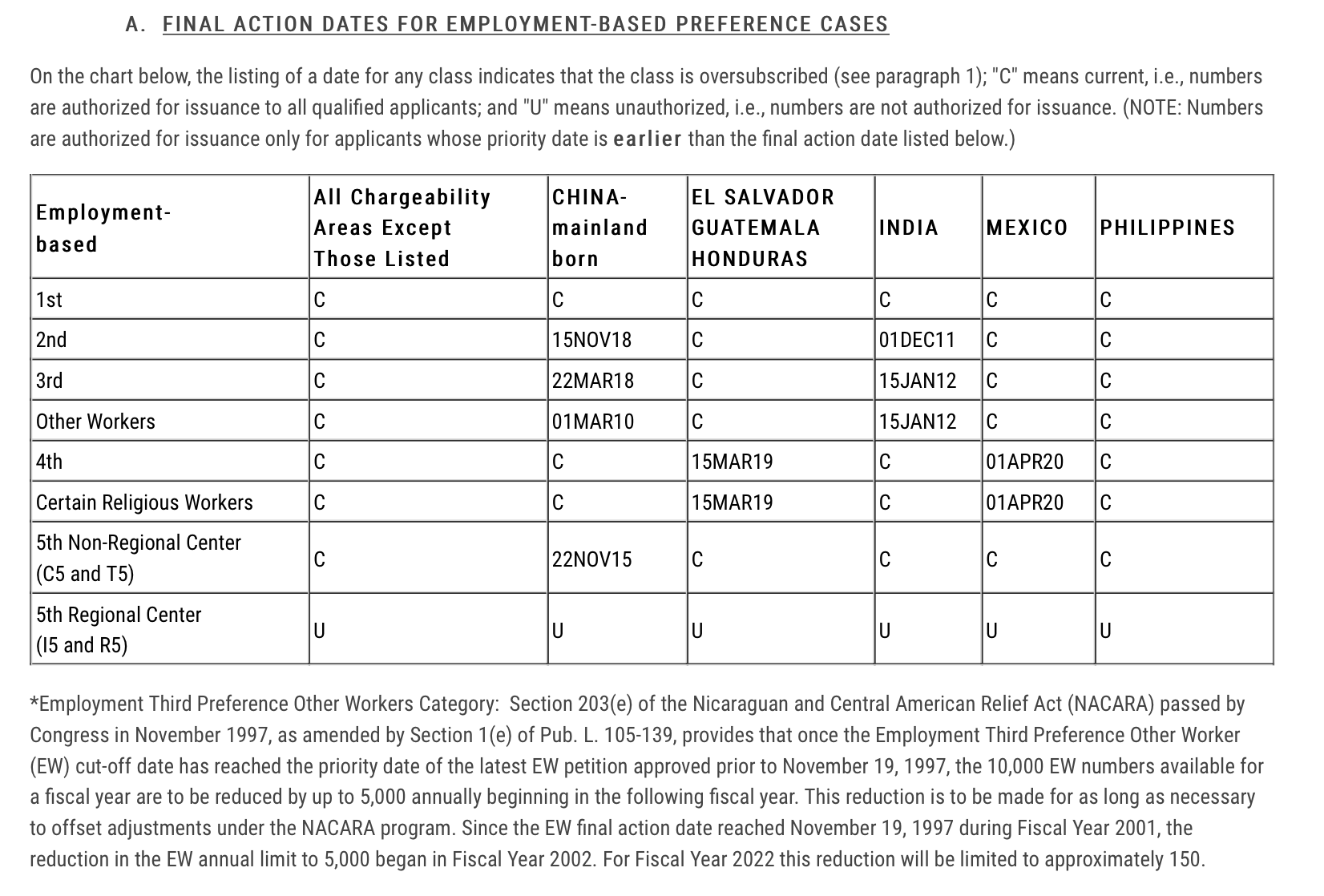
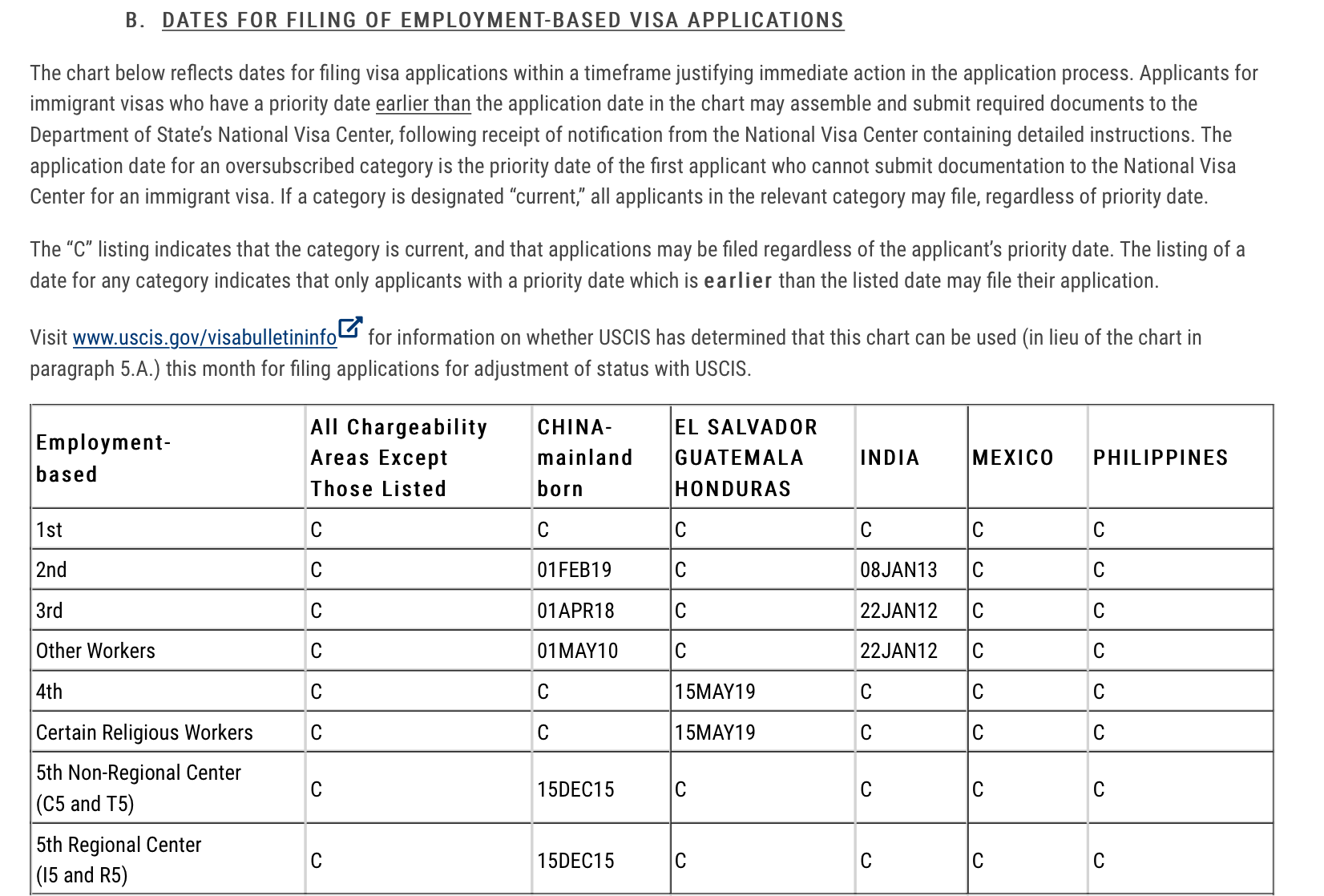
However, the EB5 investment industry is plagued with certain problems, the foremost of which is USCIS’s notoriously low processing efficiency. The agency typically takes several years to adjudicate visa petitions such as Form I-526 and Form I-829, even if the adjudication ultimately results in a denial. To complicate matters, several countries with particularly high volumes of EB-5 investors have experienced processing backlogs. Chinese investors, for instance, are subject to a final action date that dictates when they can receive conditional permanent resident status.

Due to USCIS’s adjudication inefficiency, an EB-5 investor may find that the agency is taking an unreasonably long time processing their I-526 or I-829 petition. In this case, they may decide to take action and file a writ of mandamus.

What is a Writ of Mandamus?

In the EB-5 investment industry, a writ of mandamus is a federal lawsuit that orders USCIS to adjudicate an unreasonably delayed visa petition. An EB-5 investor should consider filing a writ of mandamus if USCIS is taking an unreasonably long time with their visa petition. This may also be a viable option for EB-5 investors with dependent children who could marry and thus become ineligible for permanent resident status.

Risks of Filing a Writ of Mandamus

However, filing a writ of mandamus can be risky because such litigation can only force USCIS to adjudicate a visa petition, not to approve it. If a writ of mandamus is filed successfully and USCIS is ordered to adjudicate a visa petition, the agency may issue an outright denial if any information is unclear, misleading, or out of compliance with EB-5 regulations. While USCIS typically sends a request for evidence (RFE) for visa petitions that need improvement, EB-5 investors who file a successful writ of mandamus cannot benefit from this provision.

Given this danger, filing a writ of mandamus should be the last resort to expedite an uncommonly slow adjudication process. Investors should only take this step if they are absolutely certain that all the necessary information is included in their petition and that the information is accurate. Moreover, filing a writ of mandamus can be very expensive, and there is no guarantee of success.

Despite the dangers of resorting to a writ of mandamus, there are legal precedents for successful litigation against USCIS. In the Keller Wurtz v. USCIS and Raju et al v. Cuccinelli lawsuits, the plaintiffs were disgruntled EB-5 investors who had waited approximately two years for their I-526 petitions to be adjudicated. The judges ruled in the investors’ favor, finding that, according to Congress, visa petitions such as Form I-526 should be processed within 180 days. This precedent may encourage other EB-5 investors to initiate mandamus litigation against USCIS.

Regardless of an EB-5 investor’s situation, they should always consult an immigration attorney with EB-5 experience. Competent immigration counsel can help EB-5 investors decide which steps to take if they experience an unreasonably long adjudication period.

Free EB-5 Project Evaluation

Form I-829 Adjudication Remains Slow

Form I-829 Adjudication Remains Slow

The EB-5 investment program is popular among foreign nationals for many reasons. For instance, it offers accessible investment thresholds of $500,000 for targeted employment area (TEA) projects and $1,000,000 for non-TEA projects. Moreover, the EB-5 program sets out reasonable criteria regarding job creation, using at-risk funds, and other matters; many other visa-by-investment programs are far less accessible.

However, the EB-5 investment industry has long been plagued by a major issue—slow visa petition processing times. United States Citizenship and Immigration Services (USCIS), which oversees the EB-5 program and processes EB-5 visa applications, is known for its sluggish adjudication speeds. USCIS’s processing inefficiency is detrimental to the EB-5 investment industry. EB-5 investors must submit two important petitions to USCIS: Form I-526 and Form I-829. Form I-526 grants investors a two-year conditional residency, while Form I-829 is used to achieve permanent resident status.

Processing data from USCIS’s FY2021 show that adjudication times for Form I-829 are not improving. EB-5 investment stakeholders—including project developers, investors, consultants, and immigration attorneys—may be wondering if USCIS will ever increase its processing efficiency. The remainder of FY2021 is unlikely to bring significant improvements.

I-829 Processing Statistics

From October 2020 to June 2021, USCIS processed 1,733 I-829 petitions. This figure is 37% lower than the total of 2,765 I-829 petitions processed during FY2020. Moreover, the denial rate for Form I-829 during FY2021 Q3 (April to June 2021) increased to 24%.

Perhaps the most worrying figure is that there were 11,160 I-829 petitions waiting to be processed as of the end of FY2021 Q3—this figure has grown by 8% compared to the previous quarter. Due to USCIS’s processing inefficiency, thousands of investors, many of whom undoubtedly complied with all EB5 investment regulations, are unable to move forward with the visa process. Discouraging statistics like these harm the EB-5 program’s image and make it less appealing for foreign nationals. Potential investors may be discouraged from filing Form I-829 and paying USCIS thousands of dollars in processing fees only to have to wait for several years until their petitions are adjudicated.

Will I-829 Adjudication Speed Up?

USCIS will have to allocate more resources to I-829 adjudication if the processing times are to improve. Doing so will be critical for the EB-5 investment industry. Fortunately, recent developments indicate that USCIS could take the necessary measures.

Ur Jaddou was confirmed as the new director of USCIS on July 30, 2021; she has pledged to work toward clearing the visa petition backlogs and improving productivity. Hopefully, Jaddou will make these issues a priority. Moreover, the regional center program expired on June 30, 2021. Since USCIS is no longer processing I-526 petitions associated with regional centers, more employees could potentially be used to address the backlog of existing I-829 petitions.

Free EB-5 Project Evaluation

Ending EB-5 Visa Backlogs with Three Legislative Provisions

Ending EB-5 Visa Backlogs with Three Legislative Provisions

Visa backlogs have long been an obstacle for foreign nationals waiting for their visas, including EB-5 Immigrant Investor Program participants. For some, the wait can take years, even if their I-526 petitions have been approved. Fortunately, the U.S. Citizenship Act of 2021 could change the visa backlog for good and possibly eliminate it altogether, which would benefit the EB-5 program greatly.

EB-5 industry experts believe that pushing legislation to reduce these long-standing employment-based visa backlogs would not only benefit EB-5 program participants but the Biden administration as well—clearing the backlogs aligns with a number of the administration’s key interests, including immigration reform and economic improvement.

Specifically, there are three major provisions in the proposed immigration overhaul bill that address EB-5 investment backlogs:

  • Exempting spouses and children from visa caps
  • Eliminating country caps on employment-based visas
  • Reclaiming program-specific unused visas

If the U.S. Citizenship Act of 2021 is passed, these legislative changes would drastically improve the EB-5 program and will quite possibly make visa backlogs a thing of the past. In this article, we take a look at these provisions in greater detail to better understand how they could affect current and future EB-5 investors.

Visa Cap Exemptions for Qualified Family Members

Historically, an EB-5 investor would need to obtain a visa for every member of their household who meets eligibility requirements. Having visa eligibility for spouses and children is a huge advantage for EB5 investment participants, but the program only receives a set number of visas each year. Having to obtain qualifying family visas can elongate the approval process, especially when investors’ visas are stuck in years-long backlogs.

The U.S. Citizenship Act of 2021’s provision for visa cap exemptions would change that. It would eliminate visa caps for all qualifying spouses and children of EB-5 investors. Even though an EB-5 investor and their family would all be eligible for separate visas, their applications would all be counted as just one total available visa for the family unit. This small change would make a huge impact, providing thousands of additional visas each year for more EB-5 investors’ family members.

Eliminating Per-Country Visa Caps

Policies of the past limit employment-based visas by country and have contributed to the current EB-5 backlogs. United States Citizenship and Immigration Services (USCIS) has traditionally capped visa allocation for every country at seven percent of the total annual visas granted to the EB-5 program. Therefore, countries with a higher demand for EB-5 visas are rarely accommodated in a single fiscal year.

More investors from certain countries could immigrate thanks to the Biden administration’s bill, and the long visa wait for approved investors could finally come to an end. Ending the country cap would help expedite the EB-5 visa process.

Recycling Unused EB-5 Visas

Until 2008, the EB-5 visa program went relatively unnoticed by the masses of foreign nationals interested in immigrating to the United States. Although the EB-5 investment program was allocated almost ten thousand visas each year, it was by and large underutilized. Because of this, it consistently granted less than 500 visas in an average year. As indicated by both its overwhelming popularity and lengthy backlogs, that is no longer the case.

The final provision of the immigration reform bill would reclaim visas that were never used, going all the way back from 1992 to today. This could result in many more visas for the EB-5 investment program. The specifics of this provision are still unclear, but it would certainly benefit the EB-5 industry. The current visa backlog would be dramatically reduced if not eliminated altogether.

In sum, the proposed bill offers hope of a streamlined visa process with reduced visa backlogs, potentially freeing up tens of thousands of visas for EB-5 investors. If Biden’s proposed legislative changes in the U.S. Citizenship Act of 2021 are approved, the EB5 investment program will reap huge benefits. Moreover, the COVID-19 pandemic has been detrimental to the EB-5 industry and to the nation’s economy. These provisional changes could very well reverse some of the damage caused by the pandemic.

Free EB-5 Project Evaluation

USCIS Grants New Flexibility Extension in USCIS Request Response

Flexibility Extension

On September 24, 2021, United States Citizenship and Immigration Services announced an additional extension of its March 30, 2020 decision to extend flexibilities in USCIS request responses. The original announcement was an effort to allow certain requesters, petitioners, and other applicants flexibility in responding to USCIS requests. Parties involved in any of the following response types may be eligible for the extension:

  • Notices of Intent to Terminate Regional Centers
  • Notices of Intent to Deny
  • Notices of Intent to Rescind
  • Notices of Intent to Revoke
  • Requests for Evidence
  • Continuations to Request Evidence (N-14)
  • Motions to Reopen an N-400 Pursuant to 8 CFR 335.5, Receipt of Derogatory Information After Grant.

Additionally, under the following circumstances the agency is willing to consider a Form N-336, Request for a Hearing on a Decision in Naturalization Proceedings (Under Section 336 of the INA) or Form-1-290B, Notice of Appeal or Motion:

If any of these forms were filed at least 60 calendar days from a USCIS decision issuance; AND if the USCIS decision was (or is) made at some point between March 1, 2020 and Jan. 15, 2022.

Be aware of possible changes to response due dates. USCIS will review due dates set in the request or notice before taking any further action, and consider only those responses to the outlined notice and request types that were (or are) received within that 60-calendar-day period after the documented due date.

For questions regarding your eligibility for this additional flexibility extension, reach out to EB5AN. You may also find further USCIS updates on the matter here.

Free EB-5 Project Evaluation

EB-5 Visa Processing Statistics in FY2021 Q3

EB-5 Visa Processing Statistics in FY2021 Q3

On August 17, 2021, United States Citizenship and Immigration Services (USCIS) published the FY2021 third quarter statistics (Q3) for all application types and petition forms, including the EB-5 statistics for Forms I-526 and I-829 from April 1, 2021, to June 30, 2021. The FY2021 Q3 EB-5 statistics data set shows how the U.S. District Court of the Northern California’s repeal of the EB-5 Modernization Rule and the expiration the Regional Center Program has impacted demand for EB-5.

I-526 Petition Statistics

I-526 Petition Receipts

The below chart on I-526 Petition Receipts shows the available numbers of received I-526 petitions as of September 2021, but the chart will likely need to be revised since USCIS has published statistics that do not properly capture the I-526 receipts at the end of June 2021.

Based on the quarterly visa statistics report published by USCIS, it received 169 I-526 filings in the third quarter of FY2021, which is a notable 72% increase from the previous quarter’s 98 I-526 filings. This figure is, however, likely inaccurate given a larger number of total reported I-526 petition receipts in June 2021, suggesting an even greater increase in petitions over the last quarter. This substantial increase in filed I-526 petitions could be attributed to the June 22, 2021, court rule that attracts EB-5 investors to take advantage of the lower investment amounts of $500,000 and $1,000,000. The uncertainty of the reauthorization of the EB-5 Regional Center Program also added to this sudden surge of I-526 filings, as most investors prefer EB-5 regional center investments.

FY2021 Q3 number of I-526 petitions is also the highest received by USCIS since the COVID-19 pandemic started in FY2020 Q2.

Again, the number of I-526 petitions given in the recent data could be understated. According to a report published by USCIS Office of Policy & Strategy, USCIS has received a total of 445 I-526 petitions in June 2021 alone. Below is the chart from this published report showing the monthly I-526 petition receipts for fiscal years 2017 to 2021 Q3.

Most of the missing I-526 receipt numbers were likely received during June 29 and June 30 but were entered into the tracking system by early July, which is outside the reporting period.

I-526 Petition Approvals & Denials

The total number of I-526 petitions adjudicated in Q3 was approximately 17.6% lower than in Q2; the number of petitions approved dropped by approximately 21.3% – from 752 in Q2 to 592 in Q3 – while the number of petitions denied increased by approximately 3.8% – from 130 to 135. The denial rate rose by approximately 3.8%, from a rate of 14.7% in Q2 to a rate of 18.6% in Q3 (discrepancy due to rounding).

USCIS processing of I-526 petitions has risen slightly – from an average of approximately 855 petitions processed per quarter in FY2020 to an average of approximately 911 petitions for the first three quarters of FY2021. This change represents an approximately 6.5% increase to the average number of I-526 petitions processed per quarter in FY2021 versus FY2020.

Overall

As of June 30, 2021, 12,798 I-526 petitions are pending, which is approximately 1.9% fewer petitions than the 13,044 pending petitions at the end of Q2. A large percentage of the pending I-526 petitions are unlikely to be processed for the time being since USCIS is not presently adjudicating any I-526 petitions affiliated with the regional center program. Therefore, most EB-5 investors with pending I-526 petitions will have to wait until Congress reauthorizes the EB-5 regional center program.

I-829 Petitions Statistics

I-829 Petition Receipts

USCIS received 1,249 I-829 petitions in FY2021 Q3. This is the highest recorded number of I-829 petitions in EB-5 program history.

I-829 Petition Approvals & Denials

As with I-526 petitions, the number of total I-829 petitions adjudicated in Q3 was approximately 25.7% lower than in Q2; the number of I-829 petitions approved decreased by approximately 29.0% – from 566 in Q2 to 402 in Q3 – while the number of petitions denied increased by 24.3% – from 37 in Q2 to 46 in Q3. The denial rate rose by approximately 4.1%, from a rate of 6.1% in Q2 to a rate of 10.3% in Q3 (discrepancy due to rounding).

USCIS processing of I-829 petitions has decreased – from an average of approximately 691 petitions processed per quarter in FY2020 to an average of approximately 578 petitions for the first three quarters of FY2021. This change represents an approximately 16.4% decrease to the average number of I-829 petitions processed per quarter in FY2021 versus FY2020.

Overall

At the end of FY2021 Q3, a total of 11,160 I-829 petitions are pending, which is about 8% higher than Q2.

Though the EB-5 regional center program has expired, EB-5 investors who received their conditional permanent residence status through regional center investments must still timely submit their I-829 petitions, which USCIS is still accepting and processing.

I-526 and I-829 Petition Trends

The number of pending I-829 petitions has been trending up since 2013 compared to pending I-526 petitions, which have come down from a peak in 2017 and have remained fairly level.

The above chart shows that even before the COVID-19 pandemic started, the number of I-526 and I-829 petitions processed annually by USCIS dropped substantially and has not recovered. The COVID-19 pandemic has likely had a continuing impact on petition processing speeds.

What to Expect in the Last Quarter of FY2021

Upcoming EB-5 visa statistics in FY2021 Q4 will be heavily influenced by three major recent events:

  1. The invalidation of the EB-5 Final Rule by the U.S. District Court of the Northern California on June 22, 2021, which resets the minimum EB-5 investment amount to $1,000,000 or $500,000 for projects in targeted employment areas.
  2. The expiration of the regional center program on June 30, 2021, which has suspended the filing and processing of all regional-center affiliated I-526 petitions.
  3. The appointment of the new USCIS director, Ur Jaddou, on July 30, 2021; the EB-5 industry hopes she will make positive changes to USCIS policies.
Free EB-5 Project Evaluation

Proving the Legality of Loaned EB-5 Investment Capital

Proving the Legality of Loaned EB-5 Investment Capital

Many foreign nationals have come to enjoy the benefits of relocating to the United States through the EB-5 investment program. United States Citizenship and Immigration Services (USCIS), the agency that regulates the EB-5 program, sets out that investors who invest in a new commercial enterprise (NCE) and create at least 10 jobs for U.S. workers are entitled to permanent resident status. Unlike many other visa-by-investment programs, the EB-5 program’s minimum investment amounts are reasonable: as of June 22, 2021, EB-5 investors must invest at least $500,000 for projects in targeted employment areas (TEAs) and $1,000,000 for projects outside TEAs.

Qualifying investors from any country are allowed to make an EB-5 investment, and USCIS allows EB5 investment capital to come from a wide variety of sources. After making their investments, foreign nationals need to submit Form I-526, Immigrant Petition By Alien Investor. This petition must prove that the EB-5 investment was made in compliance with all applicable regulations and that the capital was sourced legally. Proving the legality of EB-5 funds can be challenging; investors must typically gather numerous documents to satisfy USCIS’s high evidentiary standards. In this article, we explain how to prove the legality of loaned funds, which many investors use to finance their EB-5 investments.

Proving the Legality of Loaned Funds

When completing their I-526 petitions, EB-5 investors must trace the invested funds back to their source. Therefore, they must include a loan contract that explains the terms of the loan, including the interest rate and deadline for repayment. This contract must also show which personal assets were used to secure the loan. (Even though the Zhang v. USCIS ruling sets a precedent for using unsecured loans for EB-5 investments, it will always be safer to use a secured loan.) Since USCIS must be able to trace the loaned funds back to their origin, EB-5 investors also need to prove that the personal assets used to secure the loan were sourced legally. For instance, if the personal assets consist of a real estate property purchased using salary payments, Form I-526 must prove that the investor indeed owns the property and that the salary payments were lawful.

Additionally, EB-5 investors must provide a capital source statement showing that the EB-5 investment capital came from a loan. If the investor borrowed funds from an individual rather than from a lending institution, the lender must also provide documentation. USCIS must have proof that the lender sourced the loan lawfully. It may be necessary to include employment records, real estate documents, or other evidence from the lender.

Whenever possible, Form I-526 must include the investor’s personal income tax returns for the preceding five years. If tax returns are unavailable in the investor’s country, a tax professional can provide the needed information and explain why tax returns cannot be procured.

Of course, the documentation needed to prove the legality of loaned EB-5 investment funds will vary greatly in each case, especially if the loan was made by an individual. Investors should keep in mind that gathering the necessary evidence will likely require time and effort. Therefore, an immigration attorney’s guidance during this stage can be invaluable.

Free EB-5 Project Evaluation

How to Make an EB-5 Investment in a Troubled Business

How to Make an EB-5 Investment in a Troubled Business

Thousands of foreign nationals have received U.S. permanent resident status after participating in the EB-5 Immigrant Investor Program. Obtaining an EB-5 visa is undoubtedly the best way to relocate to the United States—successful EB-5 investors gain the opportunity to live and work anywhere in the country. Moreover, EB-5 investors who obtain green cards can eventually apply for U.S. citizenship. The EB-5 program offers investors the chance to enjoy the United States’ thriving economy, delightful culture, and political stability. Since every EB5 investment must create or preserve a minimum of 10 jobs, the program also strengthens the U.S. economy.

Most foreign nationals who participate in the EB-5 program invest in new commercial enterprises (NCEs)—that is, for-profit organizations that were created or restructured after November 29, 1990. Still, EB-5 investors can also choose to invest in troubled businesses. United States Citizenship and Immigration Services (USCIS) defines a troubled business as an enterprise that has existed for at least two years and experienced a net loss of at least 20% in the 12 or 24 months before the investor filed Form I-526.

Even though the vast majority of EB-5 investments are made in NCEs, investing in a troubled business is also acceptable and can result in gaining U.S. permanent resident status.

Benefits of Investing in a Troubled Business

As of August 2021, the COVID-19 pandemic has not ended, and the U.S. economy is still recovering from the devastating effects of the widespread lockdowns and travel restrictions enforced in 2020. Numerous businesses across the United States saw a sharp decrease in profits during the peak of the pandemic, and many of them have yet to regain solvency. This financial crisis means that there are likely many more U.S. businesses that can qualify as troubled and that sorely need EB-5 investment capital—EB-5 investors looking for troubled businesses now have many options at their disposal.

In addition, an important change in EB-5 regulations took place on June 22, 2021. The controversial EB-5 Modernization Rule was invalidated by a U.S. district court, and the minimum investment amounts were thus lowered to $500,000 for projects located in a targeted employment area (TEA) and $1,000,000 for non-TEA projects. Since USCIS or the Department of Homeland Security (DHS) might raise the required investment amounts once more, interested foreign nationals should act quickly and take advantage of the valuable opportunity to make an EB-5 investment at only $500,000.

Preserving Employment in a Troubled Business

EB-5 investments made in NCEs are typically expected to create at least 10 new jobs for qualifying U.S. workers. In contrast, EB-5 capital invested in a troubled business does not necessarily have to generate new employment. For instance, an EB5 investment made in a troubled business with 10 employees would not have to create new jobs—it would only have to preserve the 10 existing positions. If the troubled business had nine employees, then the EB-5 investment would have to preserve the nine positions and create at least one new job, thus fulfilling the requirement of creating or preserving at least 10 jobs.

Now is the ideal time to make an EB-5 investment at $500,000. Experienced EB-5 consultants can make the investment process smoother and more efficient—for example, EB5AN offers the most reliable and low-risk EB-5 projects in the industry.

Free EB-5 Project Evaluation

Reauthorization for the EB-5 Regional Center Program Is Urgent

Reauthorization for the EB-5 Regional Center Program Is Urgent

The second half of 2021 has been a turbulent and historic time for the EB-5 Immigrant Investor Program—many of the program’s long-standing regulations have been altered, with both positive and negative consequences for investors. The first major alteration to the EB-5 program’s rules was the June 22, 2021, repeal of the much-criticized Modernization Rule. As a result of this court ruling, the minimum investment amounts were lowered significantly, thus making the EB-5 program accessible to more foreign nationals. As a whole, the EB-5 investment industry celebrated this decision.

However, on June 30, 2021, the regional center program, an essential component of the EB-5 investment industry, expired. The Senate failed to pass the EB-5 Reform and Integrity Act, which would have reauthorized regional center investments and introduced new EB-5 integrity measures. Because Senator Lindsey Graham blocked the unanimous consent vote, the EB-5 industry was left without its most popular and convenient investment option. As of September 16, 2021, the regional center program has not been reauthorized.

It is urgent for the regional center program to be reauthorized—if this investment option remains suspended for a prolonged period, the consequences for the EB-5 industry could be dire.

The Plight of Regional Center Investors

Due to the expiration of the regional center program, United States Citizenship and Immigration Services (USCIS) has announced that it will no longer accept I-526 petitions from regional center investors. Form I-924, Application for Regional Center Designation Under the Immigrant Investor Program, will also be denied. More importantly, the agency will no longer process any preexisting petitions associated with regional centers. Due to this policy, regional center investors who complied with all of the program’s regulations, made a qualifying EB-5 investment, and submitted Form I-526 will be unable to receive conditional permanent resident status until USCIS begins to process regional center petitions once more.

If regional center I-526 petitions remain in limbo for a prolonged period, the EB-5 industry could potentially lose billions of dollars. Regional center investors could lose hope that the regional center program will be revalidated and try to get their invested capital back. Moreover, if USCIS decides to deny existing regional center I-526 petitions, thousands of EB-5 visas could go to waste. The longer this situation drags on, the more likely it is for these unfortunate scenarios to take place.

Fortunately, USCIS is still processing existing I-829 petitions, which are used by investors to obtain permanent resident status. All regional center investors whose I-526 petitions were approved and who successfully completed their two-year conditional permanent residency can file Form I-829.

Could Reauthorization Be Imminent?

Most likely, the regional center program will only be reauthorized as part of a larger legislative vehicle. For this to happen, the EB-5 industry would have to lower its expectations for significant reform. Conversely, Congress may have to agree to EB-5 stakeholders’ requests for reform. The various parties in the EB-5 investment industry seem unable to agree on what reform would be most beneficial.

The regional center program’s expiration is the most urgent issue facing the EB5 investment industry. Still, foreign nationals are currently allowed to invest directly at only $500,000. The minimum EB5 investment amounts may be raised once more, so interested foreign nationals should take advantage of this unique opportunity.