



While the idea of investing in a U.S. project that creates at least 10 full-time jobs to get a Green Card sounds straightforward, the actual EB-5 process can be more complex. In fact, if you are just starting out, it can feel like you’re walking into a maze of legal documents, rules, and timelines.
Additionally, small mistakes or delays at any step can cause your case to slow down or even be denied. Therefore, you need to put in the work to do everything right so that your dream of becoming a U.S. citizen can come to pass.
In this article, we will discuss practical ways to avoid delays, reduce stress, and build a solid strategy that keeps your Green Card process moving forward.
8 Ways to Make Your Green Card Process Faster
- Set Clear Immigration Goals and Timeline
- Hire an Experienced EB‑5 Immigration Attorney
- Seek Rural TEA Projects
- Document Lawful Source of Funds Early
- Verify the Project’s Compliance and Track Record
- Review Exit Strategies Before You Invest
- Use Concurrent Filing to Gain Early Benefits
- Keep Up With EB-5 Program Changes
Other Helpful Tips to Keep in Mind as an EB-5 Investor
Fast-Track Your EB-5 Process With EB5AN
8 Ways to Make Your Green Card Process Faster

Speed matters in the EB-5 process because the longer your case takes, the more risk you are likely to face. Moreover, since issues like policy changes, visa backlogs, and project problems can happen, it is best to take proper control of the parts of the process you can influence. In no particular order, here are eight practical ways to do so.
1. Set Clear Immigration Goals and Timeline
Start your EB-5 visa journey by writing down your immigration goals. Are you moving for your child’s education, for business reasons, or to retire in the U.S.? Knowing your goals helps you make better decisions.
First, you can create a written plan that shows how you will carry out key steps like finding a project, transferring your funds, filing your petition, attending your interview, and entering the U.S. Next, break each big task into smaller actions to track your progress and update it monthly. That way, you are less likely to miss deadlines or make decisions that might negatively affect your goals.
2. Hire an Experienced EB‑5 Immigration Attorney
When it comes to EB-5, you need to hire an immigration attorney who specializes in EB-5, understands the latest laws, and has filed many I-526E petitions. Before choosing someone, confirm details like how many approved EB-5 cases they have handled in the past year and what they do when USCIS sends a request for evidence (RFE).
With the right lawyer, you won’t have to struggle with choosing the right project and collecting necessary documentation to make the entire process more predictable. Additionally, they can provide guidance on the redeployment of funds if your project experiences delays.
3. Seek Rural TEA Projects
Rural EB-5 projects qualify for priority processing and special visa allocations. Therefore, choosing one can reduce your wait time by months, or even years. According to the U.S. Census Bureau, rural areas are places with fewer than 20,000 people or are far from a large city. Feel free to ask project sponsors for proof that a project qualifies under these categories to put your Green Card application on a faster track.
4. Document Lawful Source of Funds Early

Proving source of funds is one of the most common causes of delays during the EB-5 process. This is because you must prove that every dollar was earned legally and moved through transparent channels. As a result, it is best to start gathering your documents early and translating them into English.
Here, you would need employment records, business income reports, tax returns, property sale agreements, and more. If the funds came from a gift, you’ll need a gift letter and the donor’s financial documents. Also, it is advisable to create a flowchart showing the entire path of your funds, from origin to escrow, if they came from multiple sources.
5. Verify the Project’s Compliance and Track Record
Before you invest, make sure your chosen project is real, compliant, and has a good track record. Make sure you conduct due diligence by reviewing the business plan, job creation report, financial projections, and asking for the I-956F receipt that shows USCIS has reviewed the project.
For a regional center, verify that it has a history of successful projects and that past investors received their money back. Also, once you invest, ask the project managers for updates on construction and job creation progress to prepare for your I-829 petition down the road.
6. Review Exit Strategies Before You Invest
While your EB-5 investment must remain at risk for at least two years, you’ll want your money back afterward. This is why you must read and understand the exit strategy before you invest.
Some projects might plan to sell properties, and others may refinance the loan or use operating profits to repay investors. Thus, you must make sure to find out when you’ll be eligible for repayment and what conditions must be met so you can manage your long-term finances and reduce the risk of loss.
7. Use Concurrent Filing to Gain Early Benefits
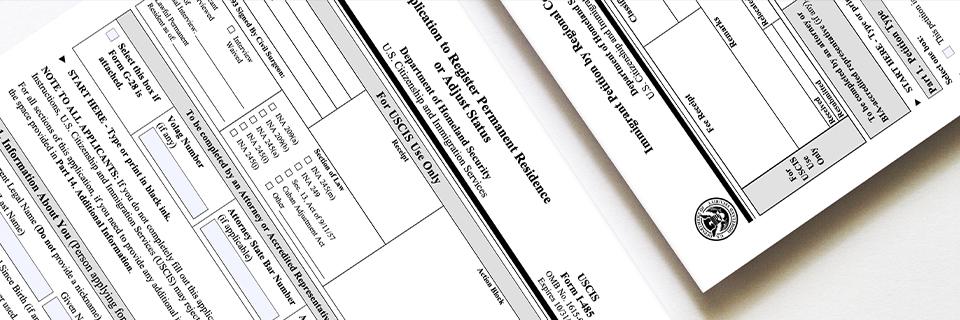
If you already live in the U.S. on a valid visa, such as an F-1 or an H-1B, you may be eligible for concurrent filing. This means you can file Form I-485 (adjustment of status) at the same time as your I-526E petition.
Concurrent filing also allows you to apply for a work permit and travel document, which are usually approved within three to six months. With it, you have the flexibility to work, travel, or remain in the U.S. legally without relying on your old visa.
8. Keep Up With EB-5 Program Changes
The EB-5 program has changed many times in the past, and more changes may happen in the future. As such, you should be intentional about following updates from trusted EB-5 law firms or industry groups so you can respond accordingly. You can also subscribe to the USCIS newsletter and be sure to check out the Department of State’s monthly Visa Bulletin.
Other Helpful Tips to Keep in Mind as an EB-5 Investor
Below are some extra steps you can take during the EB-5 process to stay organized and avoid unnecessary surprises:
- Keep your non‑immigrant status valid: If you’re in the U.S. on a visa, make sure you renew it on time so that it stays valid while you wait for your Green Card. Failure to do so may force you to leave the country and apply from abroad in some cases, which adds time and stress.
- Plan your family members’ paperwork: Your spouse and children under 21 can get Green Cards with you, but their documents must also be complete and accurate. To avoid any last-minute delays, make sure their passports remain valid during the application process. Furthermore, plan to get long-form birth certificates, marriage certificates, and school records, etc., if needed.
- Budget for all fees and unexpected costs: The EB-5 process will involve some other costs, like USCIS filing fees, attorney fees, wire transfer costs, and medical exam fees. It is advisable to calculate these in advance to help you handle all these without stress.
- Respond to USCIS requests for evidence quickly: Sometimes, USCIS sends a request for evidence if something is unclear in your petition. While an RFE is not always a bad sign, you need to work closely with your attorney to handle it quickly and carefully.
Fast-Track Your EB-5 Process With EB5AN

The EB-5 process can be complex for newcomers, but you do not have to go through it alone. Partnering with the right EB-5 professionals can make the difference between a frustrating experience and a smooth, well-managed journey to your Green Card.
At EB5AN, we’ve helped over 2,700 families from more than 70 countries become lawful permanent residents of the United States. With over a decade of experience in the EB-5 industry, we understand and resolve many different challenges investors may face along the way.
Schedule a free consultation with our team today to begin your journey toward U.S. permanent residency in no time.