



Author Archives: admin

Free EB-5 Project Evaluation

How Does an EB-5 Repayment Guaranty Work?

Two people shaking hands while exchanging some EB5 investment money.

Securing your future with the EB-5 Immigrant Investor Program involves making sure your investment meets the necessary program requirements. One way of ensuring that is through repayment guaranties, which can enhance the security of your investment while still meeting the EB-5 “at-risk” requirement. This guaranty helps reduce financial risk by adding a layer of financial protection. Understanding how repayment guaranties work can help foreign investors make informed investment decisions.

In this article, we will explain what an EB-5 repayment guaranty is and how it fits into EB-5 regulations. We will also discuss its benefits and complexities and inform you of what to look for in an EB-5 repayment guaranty.

Understanding EB-5 Repayment Guaranties

An EB5 investor examining some EB5 project documents or EB5 repayment guarantee with a magnifying glass.

An EB-5 repayment guaranty is a promise from a guarantor to repay an EB-5 loan if the borrower cannot. Typically, the borrower is the new commercial enterprise (NCE) that receives the EB-5 funds. This enterprise uses the funds from EB-5 investors to develop and manage the EB-5 project, which could be anything from real estate developments to businesses in other industries.

The guarantor, or the entity offering the repayment guaranty, is usually a well-capitalized company with substantial assets. These assets, however, must far exceed the total amount of the EB-5 loan. This ensures the guarantor can cover the repayment if needed and thus adds a layer of financial security for investors.

Are Repayment Guaranties Allowed?

Some investors may believe that repayment guaranties violate the EB-5 “at-risk” requirement. This is because they think guaranties eliminate all risks. However, the EB-5 program allows repayment guaranties as long as some risk remains.

USCIS’s “at-risk” requirement means the investment must have the potential for gain and risk of loss. Even with a repayment guaranty, the risk of the guarantor defaulting still exists. This possibility maintains the required level of risk.

Regional centers sometimes misinform investors about repayment guaranties. They may claim that such guaranties prevent USCIS approval. This misinformation might come from a lack of knowledge or competitive motives.

However, for a decade, EB5AN has partnered with reputable developers on multiple projects, and these projects have often included repayment guaranties. These projects, including those with repayment guaranties, have all received USCIS approval.

What Do You Stand to Gain With Repayment Guaranties?

Choosing an EB-5 project with a repayment guaranty significantly enhances your financial security. The guaranty ensures that if the borrower defaults, the guarantor will repay the loan. This reduces the risk of losing your invested capital. A strong guarantor with substantial assets provides a solid safety net.

Repayment guaranties make projects more appealing and reassuring to foreign investors. They add a layer of protection and show that the project has a well-thought-out structure. They also indicate a serious interest in protecting investor interests, attracting more investors, and increasing the project’s chances of success.

How to Avoid Potential Risks of Repayment Guaranties

A person holding a wooden block that spells out risk on top of a breaking rope, symbolizing the benefits of EB5 repayment guarantees.

Repayment guaranties involve detailed financial arrangements and legal agreements. As a result, investors must ensure the guarantor’s financial health and track record are solid. This involves reviewing financial statements and the guarantor’s assets. You may also need EB-5 attorneys to interpret these documents correctly.

Additionally, foreign investors must consider the potential risks involved. Even with a repayment guaranty, risks like the guarantor defaulting still exist. Therefore, along with scrutinizing the project itself, investors must assess the guarantor’s ability to fulfill their promise. An easy way of doing this is to have a detailed look into their financial obligations and debt levels. Thorough due diligence can help identify any red flags and ensure the guarantor’s reliability.

Verifying the authenticity of a repayment guaranty is another way to ensure the guarantor’s reliability. Investors must ask key questions about the guarantor’s assets and ability to cover the loan. Transparency is the watchword, emphasizing why investors must have access to the guarantor’s financial information.

Spotlight on Success: Twin Lakes Georgia Project

EB5AN has partnered with The Kolter Group to offer EB-5 regional center projects with repayment guaranties. One such project is the Twin Lakes Georgia Project. In this project, a Kolter parent company guarantees loan repayment. Where Kolter cannot pay back the loan, the capital of the parent company will cover the entire loan balance.

They have also guaranteed an I-526E approval refund. Again, this means that in the event that USCIS denies an investor’s I-526E petition, the foreign national will typically get their money back in a timely manner.

Tips for Selecting the Right EB-5 Project

Selecting the right EB-5 project involves careful consideration and thorough research. First, foreign investors must review all relevant financial documents provided by the guarantor to ensure they can back the loan up.

Next, they must assess the project’s overall structure. An ideal project is well-organized and has a repayment guaranty from an independent, well-capitalized company. Look for projects with a history of successful repayments and USCIS approvals. This track record indicates reliability and lower investment risk, and the guarantor’s past performance can predict future dependability as well.

Finally, foreign nationals should seek professional advice to navigate the legal complexities of investing in an EB-5 project. EB-5 attorneys can help interpret financial documents and assess the guarantor’s obligations. They ensure the investment meets EB-5 requirements and that the repayment guaranty is enforceable. Proper due diligence like this protects your investment and increases your chances of success.

Checklist for Evaluating a Repayment Guaranty

You may use these questions when trying to select the best repayment guaranty project:

  • Does the guarantor have a strong financial track record?
  • Are the guarantor’s assets sufficient to cover the loan?
  • Is there transparency in the guarantor’s financial statements?
  • What is the history and success rate of the project?
  • Have all the guarantor’s debts been repaid, and are they in good standing?
  • Is there any common ownership between the lender and the guarantor?
  • Can you verify the guarantor’s assets on an ongoing basis?

Work With EB5AN for a Low-Risk Investment

An EB5 expert explaining repayment guarantees to a potential investor next to the EB5AN logo.

Trusting EB5AN for your EB-5 investment means choosing a reliable and secure path to a Green Card for you and your eligible family members. With a proven track record and strong financial backing, we offer robust repayment guaranties that significantly reduce investment risk.

Schedule a call with the EB5AN team for a free consultation.

Free EB-5 Project Evaluation

Can You Pay the EB-5 Minimum Investment Amount in Installments?

An EB5 investor counting investment capital money at an office.

When you decide to start the EB-5 visa process, one of the first choices you’ll have to make is whether to invest the full amount right away or begin with a smaller amount and pay the rest later. This decision can have a significant impact on your path to getting a U.S. Green Card.

In this article, we’ll break down the key points to consider when choosing between a full or partial EB-5 investment.

The Basics of EB-5 Investments

Two hands holding an envelope with money in it, symbolizing EB5 partial investment.

Before discussing partial investments, let’s review the basics of EB-5. You start by selecting a project and agreeing to invest a specific amount. If the project is in a targeted employment area (TEA), the minimum investment is $800,000. Outside of TEAs, it’s $1.05 million. The money usually goes into an escrow account before being used for the project.

Full Investment vs. Partial Investment: What’s the Difference?

There are two main ways to set up your EB-5 investment:

1. Full Investment: You pay the entire $800,000 (or $1.05 million) upfront, showing full commitment from the start.

2. Partial Investment: You start with part of the total amount, typically around half, and promise to pay the rest over time. This can still count as a valid investment under EB-5 rules if done correctly.

How Partial EB-5 Investments Have Changed Over Time

Before the EB-5 Reform and Integrity Act of 2022 (RIA), most investors paid the full amount when filing their I-526E petition. However, partial investments became more popular just before the June 30, 2021 deadline (later extended to March 2022 with the enactment of the RIA). Investors wanted to secure lower investment amounts or ensure their aging out children still qualified. With the new RIA rules, partial investments are still allowed for investors who may not have $800,000 readily available.

The Advantages of Partial EB-5 Investments

The hands of an alien investor examining business documents.

Partial EB-5 investments offer several benefits.

  • Securing your spot in the visa line by getting your priority date locked in while you gather the full investment amount.
  • Selling assets like stocks or property when they’re most beneficial, avoiding financial loss.
  • Matching partial payments with expected funds from other sources, such as property sales or stock returns.
  • Investing less money upfront can feel safer during times of economic uncertainty.

Partial investments are becoming more common in countries like China, where long visa wait times and strict rules on sending money overseas have made EB-5 less appealing. For investors from India, partial payments help stay within the yearly limit on moving money abroad.

Possible Problems to Keep in Mind

While partial EB-5 investments have benefits, there are potential problems to consider.

  • Some adjudicators may not be familiar with installment rules. Careful planning and comprehensive proof of funds are essential.
  • Not all EB-5 projects or regional centers may accept partial investments.
  • The current two-year period to sustain your investment starts after the full payment, potentially delaying your overall EB-5 process.
  • Risk-averse investors may hesitate to make partial payments, especially if proving the source of funds is difficult.
  • Potential RFEs from USCIS can slow down the processing of your I-526E petition.
  • Partial investments require extensive coordination and documentation, which can be time-consuming and stressful.

Despite these potential problems, partial EB-5 investments remain a viable option for many investors looking for a flexible way to obtain a U.S. Green Card.

How to Make a Successful Partial EB-5 Investment

An Asian EB5 investor holding some money in one hand and a piggy bank in the other.

The law requires proof of where your money came from (known as source-of-funds) and evidence that you have actively started the investment process. This makes partial investments legally permissible but requires strong proof of your plans and commitment. Examples include bank statements, purchase agreements, property or stock transfers, and loan documents. If adequate evidence isn’t provided, USCIS may issue a request for evidence (RFE).

To increase your chances of success with a partial investment, consider these tips:

  • Choose a reputable EB-5 project and regional center experienced with partial investments.
  • Work closely with EB-5 lawyers and financial advisors to ensure your paperwork is complete and compliant.
  • Make a clear plan for remaining payments and stick to it.
  • Keep detailed records of all transactions and communications related to your EB-5 investment.
  • Be prepared to provide additional evidence if USCIS requests it.

Remember, the key to a successful partial EB-5 investment is careful planning, attention to detail, and commitment to meeting all program requirements.

Invest With EB5AN

The EB5AN logo next to an EB5 expert explaining partial investments to a client.

Deciding between a full or partial EB-5 investment is a personal choice based on your financial situation, risk comfort, and immigration goals. Partial investments offer benefits like securing an earlier priority date and reducing starting costs, but they also come with risks that need careful consideration.

Before making a decision, consult with experienced EB-5 lawyers, financial advisors, and other professionals who can help you weigh the pros and cons and develop a plan that fits your specific needs and goals.

If you’re unsure where to start, EB5AN can help. Our expert team has extensive experience assisting global clients in successfully obtaining EB-5 Green Cards. We also operate several regional centers that have a strong track record with partial EB-5 investments. Book a free consultation now.

Free EB-5 Project Evaluation

Green Card Application Suspensions and EB-5 as a Path to Permanent Residency

An EB5 investor in a suit, sitting at an office desk and smiling.

U.S. tech giants Amazon and Google recently announced that they’ve suspended Green Card applications for the rest of 2024. This announcement comes in the wake of recent massive layoffs across the tech industry, which includes the bulk of H-1B workers.

Both companies are reported to have paused permanent labor certification (PERM) until 2025. Amazon announced its PERM suspension for the rest of 2024 earlier this year, while Google suspended PERM applications in January 2023 before laying off 12,000 workers. Google’s PERM suspension is set to last until Q1 2025.

Industry experts believe that many tech companies will follow in their footsteps and suspend PERM filings in the coming months. These events have sent ripples across the H-1B workforce, creating uncertainty for H-1B workers looking to become permanent U.S. residents.

Many H-1B visa holders have begun looking for alternative ways of acquiring U.S. permanent residency. The EB-5 program is one option that offers them a more permanent immigration solution.

In this article, we’ll discuss the implications of Amazon and Google’s Green Card suspensions for H-1B workers and how the EB-5 program can solve their immigration challenges.

Impact of Green Card Suspensions on H-1B Workers

An H1B worker who got laid off is sitting on stairs with a cardboard box by his side.

The H-1B visa route allows U.S. companies to hire specialized foreign workers. Congress introduced the H-1B visa in 1990, and it quickly became a popular route for hiring foreign tech talent. Foreign professionals, especially Indian nationals, also saw it as an opportunity for career advancement in the U.S.

However, the recent changes in the tech industry have disrupted many H-1B workers’ plans of securing U.S. Green Cards. Many H-1B workers have had to return to their home countries following the massive tech layoffs of the last few years. This is because the H-1B visa is employment dependent, meaning H-1B workers must leave the U.S. within 60 days if they cannot find new employment.

Amazon and Google’s Green Card application suspension has worsened this situation for H-1B workers. These suspensions mean that current H-1B employees of these companies whose visas are near the six-year limit will not receive sponsorship for their EB-2 or EB-3 Green Card applications. Experts predict that more H-1B workers may have to leave the U.S. in the coming years if this trend continues.

Aside from these issues, the H-1B visa has several other limitations that make pursuing U.S. permanent residency difficult for its holders.

Limited Allowance

The H-1B visa is a temporary non-immigrant visa that permits a three-year stay with the option of renewing for up to three additional years. You cannot renew your H-1B visa beyond this six-year limit except under specific conditions. Additionally, you must receive employer sponsorship for an EB-2 or EB-3 visa to remain in the U.S.

This poses two significant challenges. First, your employer may be unwilling to sponsor your EB-2 or EB-3 visa application. Second, If your employer agrees to sponsor your Green Card application, you may get stuck on the USCIS waitlist for years due to heavy backlogs in employment-based Green Card applications.

The H-1B visa also limits your career choices. Only a few companies hire H-1B workers, and if you want to switch employers, you must apply to USCIS for a new H-1B visa.

Family Restrictions

Although the H-1B visa allows you to bring your dependents (your spouse and unmarried children under 21) to the U.S., they can only work if they obtain individual employment permits. Their H-4 dependent visas are also entirely reliant on your H-1B visa. If you lose your job and ability to remain in the U.S., they must also leave with you.

Furthermore, your dependent children will lose their H-4 dependent status once they turn 21. Once this happens, they must switch to another visa route to continue residing in the U.S., or else they will have to leave.

Why the EB-5 Program Is a Better Solution for H-1B Workers

An Indian H1B visa holder at a meeting with other business people.

Given the uncertainties and limitations of the H-1B visa, it is often not a long-term solution for foreign professionals looking to make the U.S. their permanent home. H-1B workers, especially those in the tech industry, must start searching for an alternate way to remain in the U.S.

The EB-5 Immigrant Investor Program offers a more permanent immigration solution for H-1B workers. The program grants permanent residency to foreign individuals who can invest at least $1.05m or $800,000 (for TEA investments) in the U.S. economy and create at least 10 full-time jobs for American workers.

Although EB-5 is an employment-based preference, it does not require employer sponsorship. Instead, it requires you to create employment for qualified U.S. workers. There’s also no special educational or professional achievement requirement for the EB-5 visa.

Importantly, the EB-5 program offers the fastest route to acquiring a U.S. Green Card for H-1B workers, especially for Indian nationals, who make up most of the H-1B workforce.

Benefits of the EB-5 Program

Unlike the H-1B visa, the EB-5 visa is a direct route to U.S. permanent residency. EB-5 investors and their dependent family members will receive conditional Green Cards once their application is successful. They can then apply to have the conditions removed after two years and apply for U.S. citizenship by naturalization within two years of obtaining their Green Cards.

The EB-5 visa also offers more freedom and flexibility. EB-5 Green Card holders can live, work, or study anywhere in the U.S. And there are no employer limitations, so you can work for any employer you choose, start a business, or become an independent contractor.

The EB-5 Green Card also gives you and your family access to almost the same educational, financial, healthcare, and social benefits available to U.S. citizens. You and your family will also enjoy the freedom to travel in and out of the U.S. without restrictions.

Expedited Green Card With Rural Investments and Concurrent Filing

In 2022, Congress enacted the EB-5 Reform and Integrity Act (RIA), which introduced several welcome changes to the EB-5 program.

The RIA reserved 32% of the EB-5 annual allocation as “set-aside” visas. Under this set-aside category, 20% is allocated to rural TEA projects, 10% to projects in high-unemployment areas, and 2% to infrastructure projects. The RIA also instructs USCIS to prioritize processing for EB-5 investments in the rural category.

H-1B workers can take advantage of rural set-aside EB-5 visas and the priority processing provision to quickly secure their future in the U.S., as backlogs are yet to exist in this category. This option provides an easy route to escape the heavy backlog and long wait times in the EB-2, EB-3, and unreserved EB-5 categories, especially for Indian nationals, who are experiencing large backlogs.

Another beneficial provision of the RIA is its concurrent filing option. This provision allows EB-5 investors who are already in the U.S. on nonimmigrant visas to simultaneously apply for adjustment of status, a work permit, and a travel permit with their I-526E petition. Once you’ve filed these petitions, you can stay in the U.S. even if you lose your job before receiving approval.

The concurrent filing option throws a life-saving line to H-1B workers. They will typically receive their employment authorization documents and travel permits within a few short months, granting them the freedom to remain in the U.S. to pursue their career choices without restrictions.

EB5AN Can Help You Speed Up Your U.S. Green Card Journey

Two H1B workers in hard hats who adjust status to EB5, next to the EB5AN logo.

Unlike the H-1B visa, the EB-5 visa offers U.S. foreign workers more stability and security, especially with the tech industry’s massive layoffs. It provides a long-term immigration solution and guarantees access to the numerous opportunities in the U.S.

If you’re an H-1B worker looking for alternative pathways to permanent residency, you should consider the EB-5 program. And here at EB5AN, we can provide all the guidance you need for a successful EB-5 Green Card application.

EB5AN has successfully helped over 2,300 families from 60 countries relocate to the U.S. We offer our clients first-rate, low-risk EB-5 regional center projects with a 100% USCIS approval rate to date. We can help you find a project that suits your immigration and financial goals.

For more information about the EB-5 program and how to switch from an H-1B to an EB-5 visa, book a free one-on-one consultation with our expert team today.

Free EB-5 Project Evaluation

How Does Immigrant Intent Affect EB-5 Investors?

A prohibited sign around a model plane, a passport and tickets, symbolizing immigration fraud.

Before applying for the EB-5 Immigrant Investor Program, it’s important to understand what “immigrant intent” means. In U.S. immigration law, this term refers to the desire to live in the U.S. permanently.

The United States Citizenship and Immigration Services (USCIS) uses specific rules to determine immigrant intent, especially for those seeking to adjust their status to permanent residents through the EB-5 program.

These rules might seem simple, but getting them wrong can lead to the denial of your Green Card application, the revocation of your current visa, and future issues with obtaining a U.S. visa. In this article, we’ll talk about immigrant intent and its impact on EB-5 investors.

Understanding Immigrant Intent

A group of F1 student visa holders on the stairs of a college building.

Immigrant intent is crucial for non-immigrant visa applications, where applicants need to show they plan to stay in the U.S. only temporarily for a specific reason. However, sometimes people who enter the U.S. on non-immigrant visas decide they want to stay permanently due to personal reasons, business opportunities, or other factors.

When this happens, U.S. immigration authorities may question if the person originally intended to become a permanent resident when they applied for their non-immigrant visa. If it’s found that the person was dishonest about their intent, they could face serious consequences, including visa denial and future bans from entering the U.S.

Single vs. Dual Intent Visas

To understand immigrant intent better, we need to look at the two main types of U.S. non-immigrant visas: single-intent and dual-intent visas.

Single-intent visas grant individuals entry to the U.S. for a temporary purpose, at the end of which they must leave the U.S. Examples include B-2 tourist and F-1 student visas. B-2 tourist visa holders must depart the U.S. at the end of their visit, while F-1 student visa holders usually must leave within 60 days of completing their studies unless they change their status.

Dual-intent visas, on the other hand, allow more flexibility. Dual-intent visa holders can apply for permanent residence status while holding a non-immigrant visa. Examples include H-1B, E-2, and L-1 visas.

Single-intent visa applicants must prove they have no immigrant intent during their application and may be subject to the 90-day rule if they decide to adjust their status in the U.S. Dual-intent visa holders have no such restrictions. Because of this, most foreign nationals who qualify prefer dual-intent visas to avoid issues of immigrant intent if they decide to switch to an immigrant route such as the EB-5 visa.

The 90-Day Rule

A person making a

Determining intent can be subjective and challenging, so U.S. immigration authorities have long relied on the “90-day rule” to evaluate a person’s intentions regarding immigration.

The 90-day rule presumes that if someone applies for permanent residency within 90 days of entering the U.S. on a non-immigrant visa, they had immigrant intent from the start. If they apply after 90 days, they are generally not assumed to have had this intent.

However, it’s important to note that this rule is not a law but a guideline, and its application varies between two key immigration agencies: the U.S. Department of State (DOS) and the United States Citizenship and Immigration Services (USCIS). The DOS oversees immigration matters at U.S. consulates abroad, while USCIS handles immigration within the U.S.

The DOS introduced the 90-day rule in 2017 and still uses it. In contrast, USCIS stopped using the rule in 2021 and now applies the “reasonable person” standard. This standard finds fraud or willful misrepresentation if there is evidence that a reasonable person would believe shows intent to deceive to obtain a visa. This could involve false statements in writing, orally, or by other means.

Practically, this means that people applying for a visa at a U.S. consulate abroad will be evaluated for fraud using the 90-day rule. Those already in the U.S. on a non-immigrant visa and applying for permanent residency will be assessed by USCIS under the broader “reasonable person” standard.

How Does Immigrant Intent Affect EB-5 Investors?

Foreign investors considering switching to the EB-5 route in the U.S. must understand that timing can significantly impact their Green Card application.

While USCIS does not strictly adhere to the 90-day rule, it can consider this rule when evaluating a case. They agency can also find an applicant inadmissible for misrepresentation outside this window if evidence supports such a finding.

Under both the 90-day rule and the broader “reasonable person” standard, the burden of proof lies with the EB-5 applicant. They must demonstrate that they did not have immigration intent when they applied for their original non-immigrant visa. This may involve explaining changes in circumstances that led to the decision to pursue permanent residency and providing evidence of maintaining ties to their home country during their initial visa application.

EB5AN Offers Guidance on EB-5 Applications

An EB5 expert or immigration attorney talking to a client with documents in his hand, next to the EB5AN logo.

Given these complexities, it is highly recommended that individuals currently in the U.S. on a non-immigrant visa consult with an experienced immigration attorney and EB-5 visa experts before applying for permanent residency, regardless of whether 90 days have passed since their entry into the U.S. This step ensures that their application for a Green Card via the EB-5 program encounters no issues related to immigrant intent.

EB5AN offers professional guidance to EB-5 investors. We’ve helped over 2,300 families from more than 60 countries relocate to the U.S as lawful permanent residents. Our team has 10+ years of experience and offers clients first-rate, low-risk EB-5 regional center projects with a 100% USCIS project approval rate to date.

To learn more about the EB-5 program or to explore your U.S. immigration options in general, book a consultation call with our expert team today.

Free EB-5 Project Evaluation

What the EB-5 Program Can Offer Indian Investors

A person holding a stack of dollars next to the Indian flag.

The EB-5 program is one of the most popular pathways to obtaining a U.S. Green Card. The program grants U.S. permanent residency to foreign nationals who can invest substantially in the U.S. economy and create at least ten full-time jobs for American workers.

It has become increasingly sought after by high-net-worth individuals of diverse nationalities, with Indian and Chinese nationals topping the list of applicants. The reforms and policy changes that came with the EB-5 Reform and Integrity Act (RIA) of 2022 only further increased the demand for EB-5 visas by Indian investors.

In this article, we’ll outline the benefits the EB-5 program offers to Indian investors and how you can fast-track your immigration journey with the EB-5 visa route.

Direct Route to U.S. Permanent Residency

A close up of a United States of America Permanent Resident card, also known as a green card.

One of the most attractive benefits the EB-5 visa offers is a direct route to U.S. permanent residency and eventual citizenship.

The EB-5 Immigrant Investor Program was introduced by the U.S. Congress in 1990. It grants U.S. permanent residency to foreign investors and their immediate family members (spouse and unmarried children under 21) in exchange for an investment of $1.05 million, or $800,000 in targeted employment areas (TEAs).

While other pathways exist for Indian nationals to obtain a U.S. Green Card, most involve longer processes that create uncertainty. The EB-5 visa route also has fewer restrictions compared to most other immigration pathways. It does not require exceptional ability, educational qualification, professional accomplishment, or employer sponsorship.

Once you receive your EB-5 visa, you and your dependent family members can live, study, and work anywhere in the U.S. You’ll also enjoy freedom of travel in and out of the U.S. without restrictions.

You can become eligible for U.S. citizenship by naturalization after five years of residence in the U.S. with your EB-5 Green Card. The initial two-year conditional permanent residency period also counts towards the five-year qualifying residency period for your citizenship application.

Fast-Track Immigration

A plane on an image of the American flag.

The primary challenge Indian nationals face when seeking U.S. permanent residency is the extensive backlog in employment-based Green Card applications. This is because, for several decades now, the annual demand for U.S. immigrant visas from Indians far exceeds the amount allocated by USCIS, creating a year-on-year waitlist.

According to recent USCIS data, over one million Indians are on the waitlist for employment-based visas. Some may have to wait years or even decades to be considered for a Green Card.

The EB-5 program offers Indians a pathway to escape the long wait times for a Green Card. Indians can benefit from the concurrent filing provision and reserved set-aside visas where there are currently no backlogs or extra wait time. We’ll discuss these advantages in the sections below.

Set-Aside Visas

RIA 2022 established a reserved “set-aside” visa sub-category that has improved EB-5 processing times for Indians and other high-demand nationalities. It allocates 32% of the annual EB-5 allocation as a set-aside visa quota: 20% for rural TEA projects, 10% for high-unemployment area projects, and 2% for developmental infrastructure projects.

Indian investors can avoid backlogs in the unreserved EB-5 category and receive their Green Cards quickly by investing in projects that qualify for the set-aside visa quota. Rural set-aside visas also receive priority processing from USCIS, and many investors have received I-526E approval within 12 months.

By investing in rural TEA projects, Indian investors can receive their Green Cards within months instead of waiting for several years or decades in the unreserved category.

Concurrent Filing

The concurrent filing option is another beneficial provision of RIA 2022. It allows EB-5 investors already in the U.S. on nonimmigrant visas to simultaneously file for adjustment of status (I-485), employment authorization, and travel authorization along with their EB-5 petition.

Indian nationals in the U.S. on nonimmigrant visas such as F-1 and H-1B visas are significant beneficiaries of this provision. They no longer have to leave the U.S. and apply for the EB-5 visa through consular processing or apply for visa renewal when their nonimmigrant visa expires.

With the concurrent filing provision, they can receive work and travel permits and enjoy the benefits of a U.S. Green Card while USCIS processes their EB-5 petition. This provision has benefited Indian H-1B professionals following the recent massive tech layoffs, allowing them to remain in the U.S. without employer sponsorship.

Enhanced Education and Employment Opportunities

Some Indian EB5 investors sitting with immigrant visa experts at a desk.

The U.S. boasts some of the most prestigious educational institutions and one of the strongest economies worldwide. An EB-5 visa grants its holder and their derivative beneficiaries the freedom to study and work anywhere in the U.S.

With the EB-5 visa, your children can access world-class educational institutions. They can also benefit from scholarships and other financial aid available to U.S. citizens and permanent residents. Upon graduation, the EB-5 Green Card gives them access to limitless career opportunities in the U.S. and a stable footing to favorably compete in the job market.

Freedom and Flexibility

The EB-5 program offers the most freedom and flexibility among all U.S. employment-based visas. EB-5 rural TEA investors do not have to live near their projects or be actively involved in managing the operations of the new commercial enterprise.

It gives you more control over your life and future in the U.S. You and your family are free to live anywhere in the U.S., work for any employer you choose, open a business, attend any school or college, and travel without restrictions.

Minimal Investment and Job Creation Requirements

To qualify for the EB-5 visa, interested Indian citizens must invest $800,000 in a TEA project or $1.05 million in a new commercial enterprise outside of TEAs.

Many Indian investors prefer regional center-sponsored projects because most are located within targeted employment areas, requiring a lower investment of $800,000. It also minimizes the financial and immigration risk for the investor as most regional center projects are large-scale developments handled by experienced developers.

It can be easier for regional center investors to meet the job creation requirement for their EB-5 visa and get their funds back in a few years, since indirect and induced jobs can also be counted towards this requirement in regional center projects, as opposed to direct EB-5 investments.

Expedite Your Green Card With EB5AN

A hand holding a green card with the EB5AN logo on it.

The EB-5 program is one of the fastest and easiest pathways for Indian nationals to obtain a U.S. Green Card. It enables you to avoid backlogs and long waitlists in other sponsored visa routes and offers more flexibility. It may be your best option as an Indian investor looking for a fast way to acquire U.S. permanent residency.

If you decide to pursue the EB-5 route, EB5AN can help you accelerate your journey of becoming a U.S. permanent resident. We’ve helped over 2,300 families successfully relocate to the U.S. in over a decade of practice. We offer our clients first-rate, low-risk EB-5 regional center projects with a 100% USCIS project approval rate to date.

To learn more about EB-5 regional center projects and how we can help you expedite your Green Card journey, schedule a one-on-one call with our EB-5 experts today.

Free EB-5 Project Evaluation

What Is EB-5 Redeployment and How Does It Affect Investors

A group of EB5 investors talking to EB5 experts at an office.

The EB-5 Immigrant Investor Program, launched by the U.S. Congress in 1990, allows foreign investors to obtain U.S. Green Cards by investing in projects that create jobs. Investors must invest at least $800,000 in targeted employment areas (TEA)—or $1,050,000 in other regions—into a new commercial entity (NCE) that generates at least ten full-time jobs for U.S. workers. After the investment is made and the jobs are created, investors can apply for a two-year conditional Green Card. To later remove conditions on the Green Card and gain full permanent residency, investors must show that their money remained in the project and maintained the jobs for two years.

However, many EB-5 investors face a challenge called redeployment. This occurs when an investor’s initial EB-5 project is completed, and the jobs are created before the investor receives their permanent Green Card. When this happens, the project must return the investor’s money to comply with EB-5 rules. To ensure the investor can still get a Green Card, the funds must be reinvested into a new project that meets EB-5 requirements.

Redeployment is becoming more common due to government processing times for EB-5 applications, long waiting lists in some countries, and many EB-5 projects finishing ahead of schedule, completing construction and job creation faster than planned. However, redeployment can present significant challenges for EB-5 investors, who must reinvest their money while adhering to strict rules and protecting their investments. This can be a stressful and confusing process.

In this article, we will discuss the problems that usually accompany EB-5 redeployment, and how to deal with them.

Problems for EB-5 Investors

A distressed EB5 investor sitting at a desk, looking away.

When redeployment happens, investors usually have no control over how their money is reinvested. The EB-5 fund managers or regional centers make these decisions, which might result in new projects that do not align with the investor’s preferences. Additionally, the new project might be riskier than the initial one, placing investors who originally chose safe EB-5 projects into potentially unstable investments. The returns from the new project might also be lower, as regional centers may focus more on compliance than on maximizing investor profits.

Moreover, investors may face longer waits to retrieve their funds, disrupting plans and causing financial difficulties if the funds are needed for other purposes. These problems can be challenging for investors who have invested significant money in the EB-5 program to obtain a Green Card, only to find the process prolonged and uncertain due to redeployment.

USCIS Rules for EB-5 Redeployment

The U.S. Citizenship and Immigration Services (USCIS) has specific rules regarding EB-5 redeployment:

  • The money must be reinvested in a new project, ensuring the project continues to benefit the U.S. economy.
  • The investment must remain “at risk” for at least two years, meaning the investor could lose the money and their immigration prospects if the project fails.
  • Redeployment must generally occur within 12 months of the initial project’s completion. However, if delays are beyond the investor’s control, USCIS may allow for longer periods.
  • The regional center must inform investors about the new project and how it complies with EB-5 rules.

However, the rules can be unclear and confusing, leading to different interpretations. This further complicates the situation for investors trying to secure their Green Cards.

What’s Next for EB-5 Redeployment

A person holding her face, next to a red alarm clock, representing the EB5 investment sustainment period.

The enactment of the EB-5 Reform and Integrity Act (RIA) in March 2022 introduced new considerations regarding the definition of the sustainment period for EB-5 investments.

The RIA revised previous EB-5 guidelines, mandating that investor funds must remain invested for a minimum of two years. Before this amendment, the sustainment period was linked to the investor’s two-year conditional residency period. Consequently, under the pre-RIA rules, investors were not eligible for the repayment of their EB-5 investment until they had obtained and maintained their conditional Green Card for two years. This regulation continues to apply to those who made their EB-5 investments prior to the implementation of the RIA.

However, the new provisions about the two-year sustainment period were challenged in court by some industry stakeholders. Invest in the USA (IIUSA), a membership-based 501(c)(6) not-for-profit industry trade association for the EB-5 Regional Center Program, filed a federal lawsuit against USCIS on March 29, 2024, challenging the new policy that shortens the EB-5 investment sustainment period to two years from the date of investment.

In addition to the lawsuit, IIUSA has proposed a new regulation to extend the required sustainment period to five years. If both the lawsuit and the proposed rule are successful, they would impact the sustainment period for thousands of EB-5 investors who filed their immigrant petitions after the RIA.

How to Deal With EB-5 Redeployment

A group of EB5 Green Card applicants talking to Eb5 experts, with the EB5AN logo on the corner.

Despite the difficulties of redeployment and the current uncertainty regarding the future of the sustainment period rule, investors can take steps to protect their money and make informed decisions. Here are a few best practices:

  • Carefully read all documents to understand the redeployment plans. Look for any red flags or unusual details.
  • Maintain regular communication with the regional center to stay informed. Don’t hesitate to ask questions and request
  • updates.
  • Seek assistance from EB-5 lawyers and financial advisors. They can explain the process and help investors make decisions based on their circumstances.
  • Consider investing with regional centers that have a good track record with honest redeployment.

EB5AN understands these challenges and takes a responsible approach to redeployment. We reinvest funds into similar real estate projects with the same risk profile, developer, and returns as the original investment. In Q4 of 2023, EB5AN successfully completed the Saltaire St. Petersburg waterfront condominium project by Kolter, generating over 2,000 EB-5 jobs. Kolter fully repaid the EB-5 equity investment principal. However, as the EB-5 investors were not yet eligible for repayment, EB5AN reinvested the funds into a similar waterfront condominium project by Kolter in Sarasota, Florida.

Redeployment in EB-5 investments can be complex, and each project is unique. To minimize risks, it’s important to understand every aspect of your investment, including the potential for redeployment. Schedule a call with our team today to discuss any questions you may have about redeployment, rural TEA projects, or other EB-5-related topics.

Free EB-5 Project Evaluation

A Guide to Rural EB-5 Investments

A group of people working on an EB5 rural project.

The EB-5 Immigrant Investor Program is a U.S. visa program that allows foreign investors and their eligible family members to obtain Green Cards and become permanent residents. To qualify, the foreigner must make an investment in a U.S. business that creates at least 10 full-time jobs for American workers.

There are two main types of EB-5 investments: direct investments into a new business, or investments made through an EB-5 regional center. Regional centers are organizations designated by the U.S. Citizenship and Immigration Services (USCIS) to manage EB-5 investment projects. Most EB-5 investors choose the regional center path because it simplifies the process and provides additional protection.

The minimum investment threshold for EB-5 investments in targeted employment areas (TEA) is $800,000, and $1,050,000 elsewhere. TEAs are divided into three categories: high unemployment or “urban” TEAs, rural TEAs, and select infrastructure projects.

In this guide, we’ll explore the specific benefits of rural EB-5 projects and how to best use them to get a fast-track to a U.S. Green Card.

Benefits of Investing in a Rural EB-5 Project

A red alarm clock in front of a stack of dollars, symbolizing priority processing for rural eb5 investments.

Lower Investment Amount

As mentioned above, the standard minimum investment amount for an EB-5 visa is $1,050,000. However, for projects located in a TEA, the minimum investment is reduced to $800,000. By selecting a strong rural EB-5 project, foreign nationals can also mitigate project failure risks and increase their chances of successfully getting their funds back.

Faster Application Processing

Under the EB-5 Reform and Integrity Act of 2022 (RIA), EB-5 investors in rural TEA projects get priority processing of their Form I-526E petition, which is the first step in the EB-5 visa process.

While processing times can be different for each case, many rural TEA investors have received I-526E approval in under 12 months, compared to several years for other categories.

Faster processing times mean that investors and their families can obtain their Green Cards much sooner. The priority processing provision only applies to rural EB-5 projects, so investors in urban TEAs or non-TEA regions cannot benefit from this opportunity.

Reserved Visa Numbers

Each year, 20% of all EB-5 visas are reserved for investors in rural TEA projects. In contrast, only 10% are reserved for high-unemployment urban TEA projects.

These reserved visas are not subject to the long backlogs that can affect other EB-5 visa categories, particularly for investors from high-demand countries like China and India. That’s why choosing a rural TEA project provides a much easier path for these investors to get a U.S. Green Card.

As of July 2024, the reserved visas for rural investors remain available, with relevant data not suggesting any backlogs soon.

What Qualifies as a Rural TEA Project?

Architects or project developers working on a real estate project plan on a desk.

To be designated as a rural TEA, a project must be located in an area that has a population under 20,000 and is outside of any city or town with a population of 20,000 or more.

The EB-5 rural TEA incentives were created to encourage economic growth and job creation in less populated areas that historically have not received as much investment as larger cities. By putting EB-5 funds into rural projects, the program aims to improve these communities and generate new job opportunities.

Selecting a Strong Rural EB-5 Project

A group of people looking at a model of a house.

While rural TEA projects offer many benefits, investors must still be careful when selecting a suitable EB-5 project. Below are some key factors to consider.

Regional Center Experience and Track Record

Look for an EB-5 regional center with a history of successful rural projects that have been approved by USCIS and delivered petition approvals to investors before. The regional center should have deep experience in understanding the EB-5 program requirements and a thorough vetting process for selecting viable projects.

Project Location and TEA Status

Verify that the project is genuinely located in a rural TEA that meets the population and geographic conditions. Be careful of projects that may try to change the population data to qualify as a TEA on paper without being in a real rural area.

Job Creation and Project Progress

Ideally, the project should already be under construction and created some jobs already. This will make it more likely that the project will meet the EB-5 job creation requirements in the future. Look for information on the project’s budget and timeline.


Financial and Legal Structure

Carefully review the project’s business plan and other financial and legal documents. The capital should include other sources of funding besides EB-5, such as bank loans, developer equity, or bond financing. A good project will also offer guarantees to investors, such as a refund if their I-526E is denied or a completion guarantee for the construction.

Repayment Terms

Find out the expected timeline for the return of your EB-5 investment, which typically happens after you get your permanent Green Card. The repayment terms should be clearly stated and realistic based on the project’s revenues and exit strategy.

EB-5 Rural Project Risks

A hand stopping a domino effect with wooden block, symbolizing low-risk eb5 project selection.

While the EB-5 program offers a special opportunity for foreign investors to gain U.S. residency, it is not without risks. As with any investment, there is always a risk of losing money if the project fails.

There are also risks related to the immigration process, such as denial or delay of the investor’s visa petitions, changes to the EB-5 program rules, or the project failing to create the minimum number of jobs.

Investors should carefully consider these risks before making an investment decision and find a low-risk project that is likely to succeed within the given timeframe.

Throughout the investment process, it is crucial to work with experienced EB-5 professionals, including a qualified immigration attorney, to ensure you meet all requirements and handle any challenges that may arise.

Invest in EB-5 Rural TEAs with EB5AN

EB5AN has sponsored over 15 successful projects under the EB-5 Regional Center Program. All our projects have a 100% approval rate from USCIS, and all EB-5 funds are either in good standing or have been repaid.

Our EB-5 rural projects offer all rural TEA benefits listed above. Investors in these projects who are in the U.S. on other visas, including those from China and India, can apply for employment authorization documents (EADs) and advance parole (AP) travel documents at the same time as filing Form I-526E.

Read more about our low-risk EB-5 rural projects here:

Snake River Sporting Club EB-5 Rural Project (Loan)

Twin Lakes Georgia EB-5 Rural Project (Loan)

If you want to learn more about getting U.S. Green Cards by investing in a rural EB-5 project, please schedule a free meeting with our expert team today.

A group of EB5 investors giving a heads-up to the camera. Free EB-5 Project Evaluation

EB-5 Investor Testimonials and How They Can Help Prospective Applicants

A group of EB5 investors giving a heads-up to the camera.

The EB-5 Immigrant Investor Program is one of the most straightforward pathways for foreign nationals to obtain U.S. permanent residency. It does not require exceptional professional accomplishment, skills, or employer sponsorship.

The main program requirements are an investment of $1.05 million or $800,000 (for TEA projects) in a new commercial enterprise that will create at least ten full-time jobs for U.S. workers. After a successful process, investors may also get their funds back.

However, a successful EB-5 application that’ll meet both your financial and immigration goals requires thorough due diligence. You’ll need to vet several immigration attorneys, EB-5 projects, and regional centers before deciding which best suits your needs.

One beneficial but often overlooked aspect of the due diligence process is EB-5 investor testimonials. Speaking with successful EB-5 investors, especially those with similar backgrounds as yours, can give you unique insights into the EB-5 process and help you make a more informed decision.

This article analyzes the importance of EB-5 testimonials and how they can help prospective investors make better decisions.

EB-5 Investor Testimonials as a Due Diligence Resource

An EB5 expert and an alien investor pointing at pie charts and business graphs.

When considering pursuing U.S. permanent residency through the EB-5 route, the first thing to do is to learn all you can about the EB-5 process and requirements. This will typically involve researching the EB-5 program, reading USCIS guidelines, and consulting immigration attorneys and EB-5 professionals.

You’ll find information on the various aspects of the EB-5 process online, including EB-5 project selection, regional center due diligence, filing your I-526E petition, and concurrent filing. EB5AN has also published many helpful educational articles and videos on our website and social media platforms.

However, there’s an essential aspect of EB-5 research and education that’s not often talked about. It is listening to interviews and testimonials of successful EB-5 investors.

EB-5 investor testimonials help you understand the nuances of the EB-5 process and how the EB-5 journey differs for each investor. While most online resources will educate you on important steps in the EB-5 process, they can’t offer the unique insights and perspectives you’ll get from investor testimonials.

Listening to successful investors share their experiences will help you better understand the EB-5 program and give you an idea of what to expect.

What Prospective Investors Can Learn From EB-5 Investor Testimonials

A lit lightbulb on top of some EB5 project documents.

This section highlights some important insights prospective investors can gain from listening to EB-5 investor testimonials.

1. Why Choose the EB-5 Route?

Our EB-5 testimonials usually start with an overview of each investor’s background and why they decided to make an EB-5 investment.

EB5AN interviewed over 20 successful EB-5 investors, and the most common reason they chose the EB-5 visa was to expand their careers. Most of our EB-5 investors already held nonimmigrant U.S. visas, such as the H-1B and E-2 business visas. However, these visas require employer sponsorship and/or frequent renewals.

This created uncertainty about their future and their ability to remain in the U.S., especially for those who want their children to benefit from the opportunities available in the U.S. The EB-5 investment route provided a more permanent immigration solution for them.

You’ll benefit greatly from listening to their testimonials if you have a background similar to these investors.

2. How to Choose an Immigration Attorney

Like other immigration pathways, you’ll need a good immigration attorney to facilitate the EB-5 visa process. The attorney will help you compile your source of funds documentation for your I-526E petition. They’ll also help you apply for employment authorization and advance parole, in addition to guiding you through each step of the process.

By listening to investor testimonials, you’ll learn the different selection processes they used in choosing an immigration attorney. You’ll also learn the necessary qualities to consider when selecting your lawyer.

3. How to Choose a Regional Center

Regional centers are responsible for pooling EB-5 investor funds and investing them in a qualifying project. So, your choice of regional center will significantly impact your EB-5 visa success.

For most of our investors, the most important factors in choosing a regional center were the I-526E approval rate, communication, and transparency. They wanted a regional center they could trust—one that would give them access to financial statements and other documentation to review before making a decision. And many regional centers were unwilling to provide extensive documentation.

Our investors decided to work with EB5AN because of our transparency and responsiveness. They could speak to our managing partners directly and get all the information they needed for their EB-5 application.

4. How to Choose an EB-5 Project

Project selection is one of the most critical steps in the EB-5 process, and there are so many factors to consider when choosing an investment project.

First, you must decide whether to invest in a rural or an urban EB-5 project.

Most of our investors (particularly those from China and India) chose to invest in rural TEA projects. Their primary reason for selecting rural projects is to avoid EB-5 backlogs and benefit from the set-aside quota for rural TEA investments. Rural projects also receive priority processing, which is how our rural investors have been receiving I-526E approval within 12 months.

After choosing your ideal investment type, you’ll also need to select the type of project. Our successful investors have found that real estate projects offer more stability and lower risk than projects in operations-based industries such as energy and manufacturing. You’ll learn how they came to this conclusion when you watch the testimonials. The information will help you decide on your project choice.

Highlights of EB5AN’s Investor Testimonials

A digital screen icon next to the YouTube logo, symbolizing EB5 visa reviews and videos.

EB5AN has published more than 20 investor testimonials so far, and many are underway. Here are some highlights from two of our recent investor interviews.

We Obtained Work and Travel Permits in Less than 90 Days – Kaushal and Ayushi


Kaushal and Ayushi are originally from Mumbai, India. They came to the United States on F-1 student visas to pursue their master’s degrees. Eventually, they went through OPT and CPT and got their H-1B visas in 2021.

However, as the six-year limit for the H-1B visa approached, they became uncertain and started looking for a more permanent solution. Although they qualify for EB-2 and EB-3 visas, they’d have to wait several years to get their Green Cards due to the backlog of Indian applicants. So, they decided to look into the EB-5 program.

They began their EB-5 journey in 2023 and invested in EB5AN’s Twin Lakes Georgia project in February 2024. Thanks to RIA’s concurrent filing provision, they could file their employment authorization and advance parole petitions along with their I-526E petition.

They received their Employment Authorization Document (EAD) in about 20 days and their travel permit in less than 90 days. Now, they’re free to work for any employer and can travel in and out of the U.S. while waiting for their EB-5 Green Cards.

You can read Kaushal and Ayushi’s full testimonial or watch the interview.

I Now Enjoy Access to a More Diverse Market and Better Opportunities – Hardik


Although Indian-born, Hardik had lived in Canada for about 25 years. However, he felt there were limited opportunities for his career growth there. Hardik wanted to take advantage of opportunities in the U.S., but every time he applied for a role, his inability to work in the U.S. posed an obstacle. He knew he needed to find a lasting solution.

He began exploring the EB-5 program and invested in EB5AN’s Twin Lakes project in July 2023. He filed his EAD and travel authorization petitions in August and received both permits in December. His I-526E petition was approved in 12 months.

Now, he and his spouse can both benefit from the diverse work opportunities in the U.S., and their children can also receive Green Cards, securing their future in the U.S.

You can read Hardik’s full testimonial or watch the interview.

EB5AN Is Committed to Educating EB-5 Investors

The EB5AN logo next to a group of EB5 visa experts working at an office.

EB5AN is leading the industry in providing educational resources for prospective EB-5 investors. We value communication and transparency and understand that giving potential investors full access to critical information will benefit all parties involved.

In over a decade of practice, we’ve helped over 2,300 families successfully relocate to the U.S. We offer our clients first-rate, low-risk EB-5 regional center projects with a 100% USCIS project approval rate to date.

You can schedule a free one-on-one call with our EB-5 experts today to learn more about the EB-5 program and how to take the first step toward your Green Card.

A finger pointing to a maze with a red arrow showing the way out. Free EB-5 Project Evaluation

Dealing With Unexpected Challenges in the EB-5 Investment Process

A finger pointing to a maze with a red arrow showing the way out.

The EB-5 Immigrant Investor Program offers a unique opportunity for foreign nationals to obtain U.S. permanent residency by investing in local projects. However, the path to a Green Card through EB-5 may not always be clear. Unplanned events and challenges can occur, potentially making the wait time longer than expected. In this article, we will explore common unpredictable circumstances faced by EB-5 investors and provide strategies to deal with these challenges.

Common Unexpected Events in EB-5 Applications

A signpost pointing to two different directions, one reads success and the other failure.

Project Delays and Economic Downturns

One of the most common challenges EB-5 investors face is unexpected delays in their EB-5 projects. Construction timelines can be affected by many factors, such as supply chain disruptions, labor shortages, or adverse weather conditions. These delays can affect the project’s ability to create the jobs needed on time, potentially delaying the investor’s I-829 petition approval.

Additionally, economic downturns can affect EB-5 projects. Reduced economic activity will make job creation difficult and affect the project’s ability to generate revenue. For example, the economic issues that followed the COVID-19 pandemic caused delays and financial strain for many EB-5 projects.

Policy Changes and Regulatory Uncertainties

The EB-5 program operates within a complicated regulatory landscape. Over the years, the program has seen several changes, such as increases in investment thresholds and reforms to the regional center program. Investors should always be aware of policy shifts that can affect their EB-5 investment journey.

The EB-5 industry has constant regulatory supervision from agencies like USCIS and the SEC. Increased scrutiny or enforcement actions against problematic projects or regional centers can stop the investment process and create uncertainties for investors.

Immigration Backlogs and Geopolitical Tensions

Another significant challenge for EB-5 investors is the unpredictable nature of immigration backlogs. USCIS processing times for EB-5 petitions can be long, especially for pre-RIA applicants from countries with high demand for visas like China or India. These backlogs can delay an investor’s Green Card process, causing frustration and impacting their long-term plans.

Geopolitical tensions between the U.S. and an investor’s home country can also introduce complications. Changes in international relations and policies may affect visa processing or the transaction of investment funds.

Fraud, Mismanagement, and Natural Disasters

Unfortunately, the EB-5 program has not been immune to fraud or mismanagement. Some industry stakeholders have misused EB-5 funds, leading to project failures and significant losses for investors. Thorough due diligence is essential to mitigate the risk of falling victim to fraudulent schemes.

Natural disasters, such as hurricanes, earthquakes, or wildfires, can also pose unforeseen challenges. If an EB-5 project is located in an area affected by a natural disaster, it may suffer physical damage, construction delays, and economic setbacks. Investors should consider the potential impact of such events on their chosen projects.

Proactive Strategies for EB-5 Investors

A group of EB5 investors and experts discussing investment opportunities.

Thorough Due Diligence

One of the most important steps EB-5 investors can take to lessen the impact of unplanned events is conducting thorough due diligence on potential projects and regional centers. This includes researching the project’s viability, market demand, and job creation potential. Investors should also carefully review the track record and reputation of the project developers and regional center.

Engaging the services of experienced EB-5 attorneys and professionals can provide valuable guidance in doing due diligence. They can assist in evaluating project documents, identifying red flags, and assessing the overall suitability of an investment opportunity.

Maintaining Flexibility and Contingency Plans

Given the unpredictable nature of any immigration process, EB-5 investors should seek to maintain flexibility and develop contingency plans. This may involve having additional funds to cover unexpected expenses or delays.

In some cases, investors may need to consider alternative options if their original EB-5 project encounters significant issues. This could involve exploring other suitable investment opportunities or working with their attorney to devise a strategy for protecting their investment and immigration goals.

How EB5AN Can Help

An Asian EB5 investor looking at a computer screen next to the EB5AN logo.

While the path to a Green Card may not always be smooth, with the right preparation and guidance, investors can increase their chances of success. As with any significant investment decision, understanding the potential risks and challenges is important to making informed choices and developing a strong EB-5 strategy.

EB5AN helps global investors predict such delays and gives them access to several low-risk EB-5 project opportunities. These EB-5 options are among the safest and most secure available, featuring benefits such as guaranteed job creation, expedited I-526E petition processing, and fully funded structures that do not rely solely on EB-5 capital.

If interested, please book a free consultation with EB5AN’s experienced team of EB-5 specialists, who will work closely with you to determine the most suitable EB-5 project for your specific circumstances.

A group of people posing for a photo and smiling in front of a large American flag. Free EB-5 Project Evaluation

What Are the Benefits of EB-5 Regional Center Projects?

A group of people posing for a photo and smiling in front of a large American flag.

Foreign nationals who want to live in the United States have different options depending on their goals. Whether you just want to work temporarily or become a citizen, the U.S. immigration system provides you with these options.

However, when trying to decide on which, it’s important to note that each investor visa option has different benefits. From investing through the EB-5 regional center program to becoming a treaty investor through the E-2 visa, you get specific benefits, but some more than others.

This article explains different pathways to getting a U.S. investor visa and discusses the benefits of investing in low-risk EB-5 regional center projects.

U.S. Investment Visas

An investor looking at his phone and studying financial data with digital icons in the foreground.

There are two main types of investment visas in the United States: EB-5 and E-2.

The EB-5 Immigrant Investor Program was started by the U.S. Congress in 1990. Its primary aim is to stimulate the U.S. economy while providing foreign nationals with a direct pathway to U.S. permanent residency. This means that, if successful, foreign investors and their eligible family members, which include spouses and unmarried children under the age of 21, can obtain U.S. Green Cards.

The Immigrant Investor Program Office (IPO) of the United States Citizenship and Immigration Services (USCIS) manages this program. It has two different investment pathways, which will be explained in more detail below.

On the other hand, there is the E-2 Treaty Investor Visa. It only applies to foreign nationals in countries that signed a treaty with the United States. For foreign investors to qualify, USCIS requires that they make an investment in an American entity they need to actively manage.

Importantly, the investment needs to be sizable and able to boost the economy, like the EB-5 program. While there is no specified minimum investment requirement, the investment must be enough to guarantee the enterprise’s successful operation.

Also, the E-2 investor’s only purpose for coming to the U.S. must be to grow and run the business. This usually calls for holding a significant managerial role or at least a 50% ownership interest in the company. That is why this nonimmigrant visa option does not lead to a Green Card. It only allows foreign nationals and eligible families to live and work in the U.S. temporarily.

Direct vs. Regional Center Investments

A person holding a map with a digital pin dropped in the middle of it, symbolizing targeted employment area locations for EB5 investments.

As mentioned above, foreign nationals looking to immigrate to the U.S. using the EB-5 program have two options. They can either file Form I-526 for direct investments or Form I-526E for regional center investments. This section details both investment options so you can figure out which works best for you and your family’s specific circumstances.

What Is a Direct EB-5 Investment?

A direct or “standalone” EB-5 investment requires the foreign national to invest funds directly into a new business. According to USCIS’s EB-5 requirements, this business must create or save at least 10 direct, full-time jobs for U.S. workers.

To apply, the investor must first set up a business entity, such as an LLC, C-Corp, or S-Corp. After investing, the foreign investor must also actively manage the business.

The required capital investment is $1,050,000, but it can be reduced to $800,000 if the investment is in a targeted employment area (TEA). Throughout the investment term, the investor often maintains control over the investment funds and makes decisions depending on business demands.

Most EB-5 investors opt for the regional center route instead of direct investment due to several practical reasons. In a direct EB-5 project, only one investor can be involved, making it a less flexible option. Additionally, direct investments only count direct jobs created by the project, which makes meeting the job creation requirements more challenging.

Direct EB-5 investors also need to take on more responsibilities. They must get approval from USCIS for their project, which involves providing a detailed business plan and other documentation.

What Is an EB-5 Regional Center Project?

Another option under the EB-5 program is to invest in a regional center-sponsored project. This way, foreign nationals can invest in projects managed by USCIS-designated regional centers indirectly.

Regional centers can pool investments from multiple EB-5 investors. They can also count indirect and induced jobs in addition to direct ones toward the required job creation numbers.

Large-scale real estate development projects are usually the types of investments made through regional centers.

More than 95% of all EB-5 investments have historically been made through regional centers.

What Does a Regional Center Do?

Regional centers gather and allocate funds from foreign investors to EB-5 projects. They typically combine investment capital from multiple EB-5 investors, although they don’t solely rely on these funds. They also use other funding sources, such as bank loans.

Each investor must contribute the minimum needed investment amount, which is normally $1,050,000 if the project is not in a targeted employment area (TEA), or $800,000 otherwise.

To maintain their status, regional centers have to abide by USCIS standards, which include submitting yearly reports and conducting audits. They also oversee projects to ensure funds are spent according to the business plan and provide investors with quarterly reports.

How Does Investing in EB-5 Regional Center Projects Benefit You?

A green card holder standing outdoors with her hands in the air, holding a U.S. flag.

Pathway to Permanent Residence

If your goal is to get a Green Card for you and your immediate family members, filing an EB-5 petition is the best option. If the process is successful, you may apply to become a U.S. citizen after five years. On the other hand, eligible investors who choose the E-2 visa route cannot get permanent residence and need to keep renewing their visas.

Passive Investment Advantage

When considering the different visa options, it’s important to note the varying levels of involvement required. The major difference between an E-2 visa, direct EB-5 investment, and an EB-5 regional center investment is the amount of direct involvement you would need to have in the entity.

Direct EB-5 requires the investor to be deeply involved in both running the business and handling the immigration process. To prepare and submit a successful petition to USCIS, investors usually need to hire several professionals, such as tax consultants, securities and immigration lawyers, and business plan writers.

On the other hand, with regional center investments, most of the work is done by professionals in the regional center team. Typically, investors only need to hire an experienced EB-5 immigration attorney to help them with due diligence and source of funds processes.

Direct investments are more high-risk in that sense as well, since investors are responsible for fulfilling all EB-5 requirements alone.

Easier Job Creation

Under the EB-5 program, the new business must create 10 full-time jobs for U.S. citizens, which is key to an investment’s success.

Regional centers offer a simpler path to meet this job creation requirement. Investors can count direct jobs created by their investment, as well as indirect and induced jobs. Indirect and induced jobs are estimated by economists using standard methods and include jobs created as a result of the investment activities. This typically results in higher job creation numbers for regional center projects compared to direct EB-5 investments.

Reduced Risk in Investment

In the regional center pathway, investments can be structured as loans, often in real estate developments. This setup allows investor funds to hold a more senior and stable position in the project’s capital stack, reducing risk compared to the equity-based direct EB-5 investments.

Additionally, regional centers collaborate with developers to ensure investors can recover their money with interest. On the other hand, direct EB-5 investments rely solely on the success of the business, making them generally riskier. This collaboration and structured approach make most regional center investments a safer option for EB-5 investors.

Increased Investor Security

The EB-5 Reform and Integrity Act of 2022 (RIA) introduced stricter integrity measures for regional centers, enhancing investor security and transparency.

EB-5 regional centers now face stricter financial audits, ensuring proper use of funds and early detection of any irregularities. They must provide detailed reports on project progress and financial status. To prevent fraud, background checks are required for regional center principals and developers.

These new regulations mandate policies that protect investors’ rights and interests, including clear communication about risks, expected returns, and exit strategies.

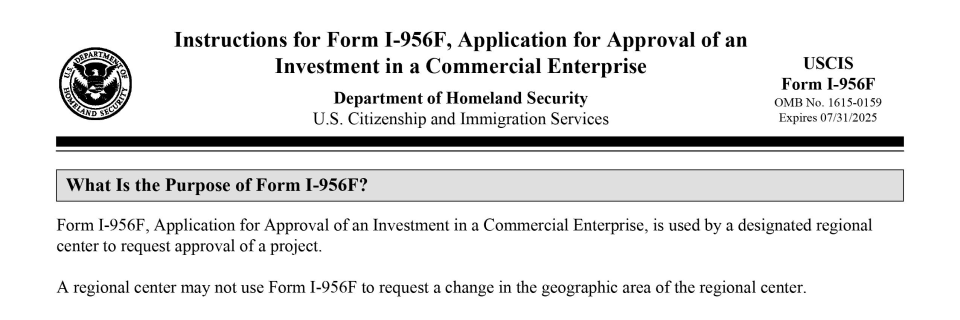
Foreign nationals investing in rural EB-5 projects with I-956F approval also benefit from a more streamlined immigration process thanks to the RIA’s priority processing and concurrent filing provisions.

Choose the Right Investment Option With EB5AN

A person holding a digital shield icon next to the EB5AN logo, symbolizing safe EB-5 projects.

Choosing the right U.S. investor visa option can be challenging. It’s important to pick a pathway that fits your goals while minimizing immigration and financial risks. This is why getting help from industry professionals can make this process easier and increase your chances of success.

EB5AN stands out as a leading regional center operator with a track record of helping over 2,300 families relocate to the U.S. as permanent residents.

For more insights into how investing in EB-5 regional center projects can benefit you, feel free to schedule a free consultation with us today.